
Thinking about your bones? You’ve probably heard about calcium and vitamin D, but what about vitamin K2? It turns out these three might work together to keep your skeleton strong. We’re going to look at how vitamin D3 helps your body soak up calcium, and how K2 steps in to make sure that calcium actually gets to your bones and not somewhere else. It’s a bit like having a construction crew and a traffic cop working together for your bone health. Let’s break down this calcium vitamin d k2 bone health connection.
Key Takeaways
Vitamin D3 helps your body absorb calcium, which is a building block for bones.
Vitamin K2 acts like a guide, directing calcium to your bones and away from your arteries.
Taking vitamin D3 and K2 together may be more effective for bone strength than taking either alone.
While calcium is important, getting too much without enough K2 might lead to calcium buildup in blood vessels.
Focusing on a balanced intake of calcium, vitamin D3, and K2 from food and supplements, under guidance, is best for overall bone health.
1. Vitamin D3
Vitamin D3, also known as cholecalciferol, is a pretty big deal when it comes to keeping our bodies running smoothly, especially our bones. It’s a fat-soluble vitamin, meaning it hangs out in your body’s fat tissues. You can get it from a few foods like fatty fish, egg yolks, and some dairy products, but the real star of the show is sunlight. When your skin gets exposed to the sun, it actually makes vitamin D3. Pretty neat, right?
So, what does it actually do? Its main job is helping your body soak up calcium from the food you eat. Without enough vitamin D, your body just can’t grab that calcium effectively. This can lead to weaker bones over time, and nobody wants that. It also plays a role in keeping your immune system in check and can even affect your mood and muscle function.
Here’s a quick look at what Vitamin D3 helps with:
Calcium Absorption: Makes it easier for your gut to pull calcium from your diet.
Bone Strength: Supports the mineralization of bones, keeping them dense and less likely to break.
Immune Function: Helps your immune system do its job properly.
Muscle Health: Contributes to better muscle strength and function, which is important for balance.
Now, while D3 is great, there’s a bit of a catch. It helps absorb calcium, but it doesn’t tell the calcium where to go. If you’re taking a lot of D3 without enough of something else (we’ll get to that!), some of that calcium might end up in places it shouldn’t, like your arteries. That’s why pairing it with other nutrients is so important for bone health and overall well-being.
Getting enough vitamin D is important, but it’s also possible to have too much. Taking very high doses can cause your body to absorb excessive amounts of calcium, which can lead to issues like nausea, weakness, and in more serious cases, kidney problems. It’s always a good idea to chat with a doctor before starting high-dose supplements and maybe get your levels checked.
2. Vitamin K2
So, we’ve talked about Vitamin D3 getting calcium into your bloodstream. But what happens to all that calcium? That’s where Vitamin K2 steps in, acting like a traffic director for calcium. It helps make sure the calcium goes where it’s needed, like your bones, and stays away from places it shouldn’t be, like your arteries.
Think of it this way:
Vitamin D3 increases calcium absorption.
Vitamin K2 activates proteins that use that calcium.
These activated proteins then guide calcium into your bones.
Without enough K2, the calcium absorbed thanks to D3 might not be used as effectively for bone building. Some research even suggests that taking Vitamin D without K2 could potentially lead to calcium depositing in your blood vessels, which isn’t ideal for heart health.
Vitamin K2 comes in a few forms, but MK-7 is often highlighted because it stays in your body longer. You can find K2 in foods like natto (a fermented soybean dish), certain cheeses, egg yolks, and grass-fed dairy products. However, many modern diets might not provide enough, especially the MK-7 form.
It’s really about balance. Nutrients rarely work in isolation. They often have to work together to get the job done properly in your body. Vitamin K2 is a key player in making sure calcium does its job for your bones and not somewhere else.
3. Calcium
Calcium. It’s the mineral everyone talks about when it comes to strong bones, and for good reason. It’s literally the building block.
Think of your bones like a savings account for calcium. Your body is always depositing and withdrawing. When you don’t get enough calcium from your diet, your body starts taking it from your bones to keep other functions going, like your heart beating and your muscles working. Over time, this can lead to weaker bones.
Getting enough calcium is super important for bone density and overall skeletal health. But here’s the thing: just taking a calcium supplement isn’t always the whole story. It needs to get to where it’s supposed to go – your bones – and not end up in places like your arteries or kidneys. That’s where the other players, like Vitamin D and K2, come in.
Here’s a quick look at why calcium is so talked about:
Structural Integrity: It’s the main component of your bones and teeth, giving them their hardness and strength.
Nerve Function: Calcium ions play a role in sending signals between nerve cells.
Muscle Contraction: It’s needed for your muscles to contract, including your heart muscle.
Blood Clotting: Calcium is a necessary factor in the process of blood clotting.
While calcium is vital, it’s how your body uses it that really matters for bone health. Without the right partners, like vitamins D and K2, calcium might not be as effective as you’d hope. It’s all about balance and making sure that calcium is directed to your bones and not causing other issues.
4. Magnesium
You know, we talk a lot about calcium and vitamin D for bones, but magnesium is kind of the quiet achiever in this whole bone-building party. It’s not just there to hang out; it actually plays a pretty big role. Think of it as the scaffolding that helps organize calcium and vitamin D so they can do their jobs properly.
Magnesium is involved in over 300 bodily processes, and bone health is definitely one of them. It helps activate vitamin D, which, as we’ve discussed, is super important for calcium absorption. Without enough magnesium, your body might not be able to use the vitamin D you’re taking in as effectively. Plus, magnesium is a component of the bone mineral matrix itself, contributing to bone’s structure and strength. It also influences the activity of osteoblasts and osteoclasts, the cells responsible for building and breaking down bone.
Here’s a quick look at what magnesium does for your bones:
Activates vitamin D for better calcium absorption.
Is a structural part of bone tissue.
Helps regulate parathyroid hormone (PTH), which affects calcium levels.
Influences bone cell activity.
Getting enough magnesium can be as simple as adding more leafy greens, nuts, seeds, and whole grains to your diet. Some studies even suggest that magnesium, vitamin D, and vitamin K2 can work together for even better bone health outcomes. It’s like a team effort, really. If you’re looking to support your bone strength, don’t forget about this often-overlooked mineral. It’s a key player in the whole bone health equation.
Magnesium deficiency can lead to lower vitamin D levels and can negatively impact bone metabolism. It’s a mineral that’s often overlooked but plays a significant part in maintaining strong, healthy bones throughout life.
5. Osteocalcin
So, what’s the deal with osteocalcin? Think of it as a key protein that your bone cells, called osteoblasts, produce. Its main job is to help build and strengthen your bones. Osteocalcin is a vitamin K-dependent protein, meaning it needs vitamin K to do its work properly.
Here’s a simplified look at how it functions:
Production: Osteoblasts create osteocalcin.
Activation: Vitamin K helps activate osteocalcin through a process called carboxylation. This makes it ready to bind to calcium.
Bone Mineralization: Activated osteocalcin then helps to bind calcium to the bone matrix, which is like the scaffolding of your bones. This process is super important for making bones dense and strong.
Without enough vitamin K, osteocalcin might not get activated correctly. This means it can’t do its job of helping to incorporate calcium into your bones as effectively. It’s like having a key worker who can’t get their tools to do the job. This is where the connection with vitamin D comes in, as vitamin D actually signals the bone cells to produce more osteocalcin in the first place. It’s a pretty neat biological teamwork situation.
The interplay between vitamin D and vitamin K in bone health is quite intricate. Vitamin D tells the body to make osteocalcin, but vitamin K is needed to make that osteocalcin functional. This highlights why a balanced intake of both is so important for maintaining strong bones and preventing issues like osteoporosis. It’s not just about getting calcium into your body; it’s about making sure that calcium gets where it needs to go.
Getting enough vitamin K, especially the K2 form, seems to be particularly beneficial for this process. It helps ensure that the calcium your body absorbs, thanks to vitamin D, is actually put to good use in your bones. This is a big part of why we’re talking about the combination of these nutrients. You can find out more about how vitamin D enhances calcium absorption.
6. Matrix Gla Protein
You might not have heard of Matrix Gla Protein (MGP) before, but it’s a pretty big deal when it comes to keeping your blood vessels from getting calcified. Think of it as a bodyguard for your arteries. MGP is actually the most potent known inhibitor of vascular calcification. It’s a vitamin K-dependent protein, meaning it needs vitamin K to do its job properly. Without enough vitamin K, MGP can’t get activated, and that’s when calcium can start to build up in your blood vessels, which is definitely not good.
When MGP isn’t activated, it stays in a form called uncarboxylated MGP (ucMGP). High levels of ucMGP in the blood are often seen as a sign that vitamin K might be low or that there’s a problem with MGP activation. This can be a red flag for potential issues like calcification in the arteries, which is linked to heart problems. It’s kind of like a warning light on your car’s dashboard.
Here’s a quick rundown of why MGP is so important:
Prevents calcium buildup: MGP actively stops calcium from depositing in your artery walls.
Needs Vitamin K: It relies on vitamin K to become active and do its protective work.
Indicator of health: The levels of active vs. inactive MGP can tell us about vitamin K status and vascular health.
Interestingly, vitamin D plays a role here too. While vitamin D is great for bones, too much of certain forms, especially without enough vitamin K, might actually increase the risk of calcification. This is where the synergy between vitamins D and K really comes into play, helping to direct calcium where it’s needed (bones) and away from where it’s not (arteries).
The balance between vitamin D and vitamin K is key. Vitamin D helps get calcium into the body, and vitamin K helps direct that calcium to the right places, like your bones, while keeping it out of your arteries. MGP is a major player in this directional process.
7. Natto
When we talk about Vitamin K2, especially the MK-7 form that seems to be the most beneficial for our bones and arteries, one food often comes up: natto. It’s a traditional Japanese food made from fermented soybeans, and it’s pretty much packed with this specific type of K2.
Natto is one of the richest natural sources of vitamin K2, specifically menaquinone-7 (MK-7). This fermented soybean dish has a unique, sticky texture and a strong smell that some people find challenging, but its health benefits are hard to ignore.
Here’s why natto is a standout:
High MK-7 Content: Unlike other K2 sources, natto consistently provides a significant amount of MK-7, which is known for its long half-life in the body. This means it stays active longer, helping to direct calcium to the bones and away from arteries.
Fermentation Process: The fermentation process is what creates the high levels of MK-7. Bacteria used in fermentation convert some of the K1 from soybeans into K2.
Bioavailability: Studies suggest that the K2 found in natto is highly bioavailable, meaning your body can absorb and use it effectively.
While natto is a powerhouse, it’s not for everyone. The taste and texture can be an acquired preference. If you’re looking to boost your K2 intake and are open to trying new foods, natto is definitely worth considering. It’s a prime example of how traditional foods can offer unique nutritional advantages.
For those who find the taste of natto too intense, there are other ways to get K2, like supplements or other fermented foods, but natto remains a top-tier natural source.
8. MK-7
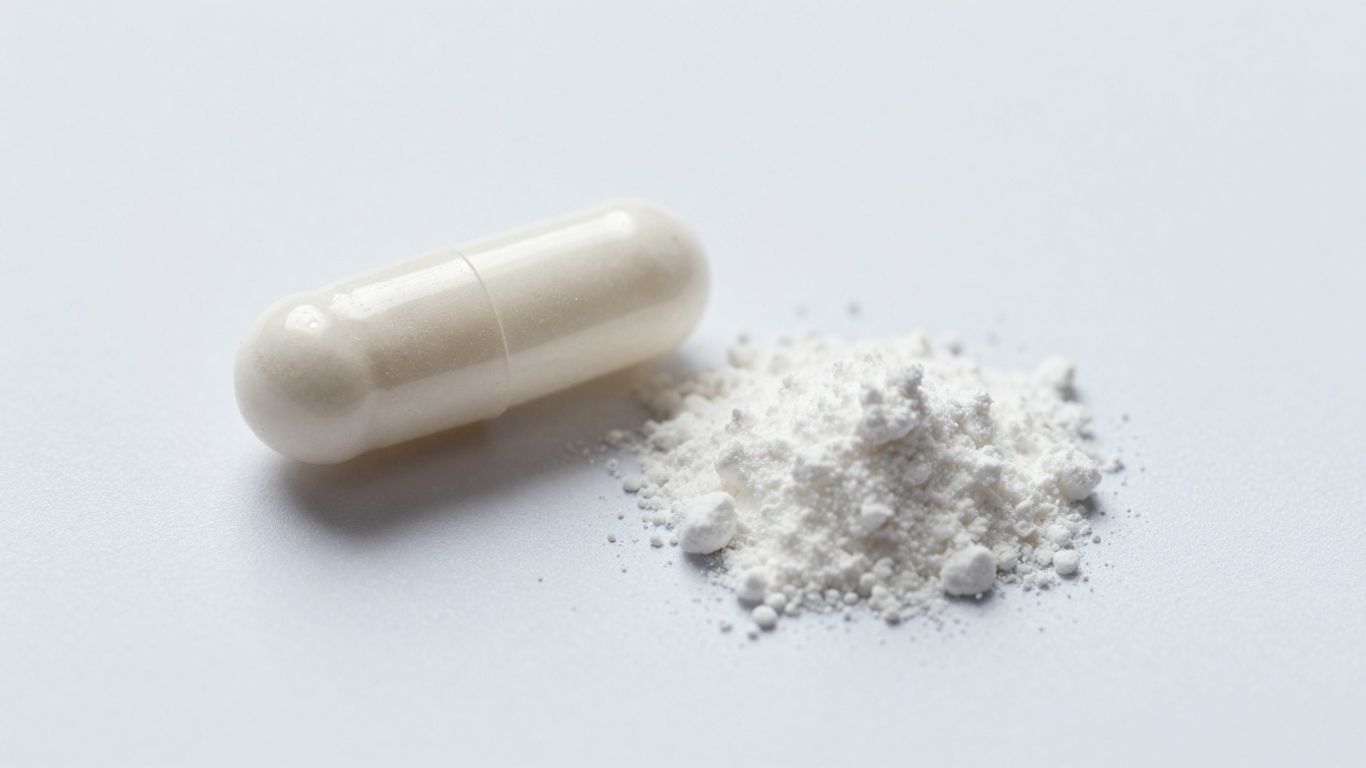
When we talk about Vitamin K2, MK-7 is often the star of the show. It’s a specific type of K2 that your body can use really well, and it sticks around longer than other forms. Think of it as the VIP version of Vitamin K2.
Why is MK-7 so special? Well, it plays a big role in making sure calcium goes where it’s supposed to – into your bones and teeth – and not where it shouldn’t, like your arteries or kidneys. This is super important for keeping your bones strong and your cardiovascular system healthy.
Studies have looked at how MK-7 works with Vitamin D. For instance, some research involving people with kidney issues showed that adding MK-7 to Vitamin D supplements seemed to help slow down the hardening of arteries. It’s not a magic bullet, and more research is always needed, but it points to a good partnership between these two vitamins.
Here’s a quick look at what some studies suggest:
CKD Patients: In one study with chronic kidney disease patients, those taking Vitamin D along with 90 mcg of MK-7 had less progression in their carotid artery thickness compared to those taking only Vitamin D.
Diabetic Patients: Another trial with overweight diabetic patients found that a combination of Vitamin D, K (180 mcg), and calcium improved certain markers related to artery health and insulin.
It’s worth noting that getting enough MK-7 can be tricky with a regular diet. While it’s found in things like natto (fermented soybeans), certain cheeses, and egg yolks, the amounts can vary. This is why supplementation, often in the range of 90-200 mcg daily, is frequently recommended, especially when taking Vitamin D.
The key takeaway here is that MK-7 isn’t just another nutrient; it’s a specific form of Vitamin K2 that seems to be particularly effective at directing calcium. This makes it a valuable player when aiming for strong bones and healthy blood vessels, especially when paired with Vitamin D.
9. Egg Yolks

You know, when we talk about getting nutrients from food, eggs often come up. And for good reason! The yolk, in particular, is a little powerhouse. It’s one of the few natural food sources that actually contains vitamin K2, which is pretty neat. This isn’t just any K2, either; it’s often in the MK-4 form, which is the type your body can use most readily.
Beyond K2, egg yolks also pack a good amount of vitamin D and choline. So, while you’re getting calcium from other sources, the egg yolk is helping to make sure that calcium gets where it needs to go in your body, thanks to that K2. It’s like a tiny, edible delivery system.
Here’s a quick look at what you might find in a typical large egg yolk:
Nutrient | Amount (approx.) |
|---|---|
Vitamin D | 40 IU |
Vitamin K2 (MK-4) | Varies (small amounts) |
Choline | 170 mg |
Protein | 2.7 g |
Fat | 4.5 g |
It’s not a massive dose of K2 compared to some supplements, but it’s a natural way to contribute to your intake. Plus, eggs are just versatile. Scrambled, fried, in an omelet – they’re easy to add to your diet.
Remember, the quality of the egg matters. Eggs from pasture-raised hens, often called ‘pastured’ or ‘free-range’ (though ‘pastured’ is generally better), tend to have higher levels of beneficial nutrients, including K2, compared to eggs from conventionally raised hens kept in cages.
10. Grass-Fed Dairy
When we talk about getting nutrients from food, grass-fed dairy often comes up, and for good reason. Cows that graze on grass produce milk that’s a bit different from conventionally raised cows. This milk is a good source of calcium, of course, but it also contains other beneficial nutrients that work together.
One of the key differences is the vitamin content. Grass-fed dairy tends to have higher levels of certain vitamins, including Vitamin K2. While the amount can vary, it’s a notable source, especially compared to dairy from grain-fed animals. This vitamin K2, particularly the MK-4 form, plays a role in directing calcium to the bones and away from soft tissues. It’s pretty neat how nature works like that.
Here’s a quick look at what you might find:
Calcium: Essential for bone structure.
Vitamin D: Helps the body absorb calcium.
Vitamin K2 (MK-4): Aids in calcium utilization.
Conjugated Linoleic Acid (CLA): A fatty acid with various health properties.
The quality of the fat in grass-fed dairy is also different, often richer in omega-3 fatty acids and lower in omega-6s. This nutritional profile makes it a valuable addition to a diet focused on bone health. If you’re looking for dairy products, choosing grass-fed options can be a smart move for getting these synergistic nutrients. You can often find grass-fed milk, cheese, and yogurt at local farmers’ markets or specialty stores, offering a more natural way to support your bone strength.
Wrapping It Up
So, what’s the final word on calcium, vitamin D, and K2 for strong bones? It seems like D3 and K2 are a pretty solid team. D3 helps your body grab onto calcium, and K2 is like the traffic cop, making sure that calcium heads to your bones instead of getting lost somewhere it shouldn’t be, like your arteries. While calcium is important, just popping extra pills might not be the best move for everyone, especially if you’re not getting enough K2. It’s always a good idea to chat with your doctor before starting any new supplements, particularly if you have existing health issues or are on other medications. They can help you figure out the right balance for your body, making sure you’re supporting your bone and heart health in the smartest way possible.
Frequently Asked Questions
Why are vitamins D3 and K2 often recommended together for bone health?
Think of it like this: Vitamin D3 helps your body soak up calcium from the food you eat. But vitamin K2 is like a traffic cop, directing that calcium to go where it’s needed most – into your bones! Without enough K2, some calcium might end up in your blood vessels instead, which isn’t ideal.
Can I just take calcium supplements for strong bones?
While calcium is super important for bones, just taking a lot of calcium by itself might not be the best idea. Some studies suggest it could lead to calcium building up in your arteries. Vitamin K2 helps make sure the calcium goes into your bones and stays out of your blood vessels, making the combination of D3 and K2 a smarter approach.
What happens if I take vitamin D3 but not vitamin K2?
If you take vitamin D3 alone, your body might absorb more calcium, but it might not use that calcium as effectively to build strong bones. Vitamin K2 is needed to activate certain proteins that help move calcium into your bones and away from places like your arteries.
What are some good food sources of vitamin K2?
You can find vitamin K2 in foods like natto (a fermented soybean dish), egg yolks, and dairy products from grass-fed cows. However, many people don’t get enough K2 from their diet, which is why supplements are often considered.
Is it safe to take vitamin D3 and K2 supplements?
For most people, taking vitamin D3 and K2 supplements together is generally safe, especially at recommended doses. However, it’s always a good idea to chat with your doctor before starting any new supplements, particularly if you have any health conditions or are taking other medications.
Does vitamin K2 also help with heart health?
Yes, it seems so! While vitamin K2 helps put calcium into your bones, it also helps keep calcium out of your blood vessels. This can help keep your arteries flexible and support overall cardiovascular health, working hand-in-hand with vitamin D3.