
For a long time, if you had type 2 diabetes and needed insulin, it meant a daily shot. That works, but honestly, who enjoys that? It’s a lot to remember and keep up with. Well, things are changing. Novo Nordisk has come out with something new called Awiqli, and it’s a big deal because it’s the first insulin you only have to take once a week. The FDA has given it the green light for adults with type 2 diabetes. This could really make a difference for a lot of people.
Key Takeaways
Awiqli is the first FDA-approved insulin you only need to take once a week, changing how people manage type 2 diabetes.
This new once weekly insulin aims to make sticking to treatment easier for patients compared to daily injections.
Clinical studies show that Awiqli works just as well as daily basal insulins for controlling blood sugar levels.
While generally safe, like any insulin, Awiqli has potential side effects like low blood sugar that need to be managed.
The move to once weekly insulin could simplify treatment routines, potentially improving patients’ overall quality of life.
Introducing Awiqli: A New Era of Once-Weekly Insulin
For a long time, if you needed insulin for type 2 diabetes, it meant a daily shot. That’s just how it was. While it works, let’s be honest, remembering to inject yourself every single day can be a real hassle. It’s not just about the physical act; it’s the mental load, the planning, and sometimes, the sheer forgetfulness that can get in the way. But now, things are changing. Novo Nordisk has brought us something pretty different with Awiqli, and it’s a big deal for managing type 2 diabetes.
A Paradigm Shift from Daily Injections
Think about it: seven days a week, you need to remember your insulin. That’s a lot of commitment. Awiqli flips that script. It’s the first-ever once-weekly basal insulin approved by the FDA for adults with type 2 diabetes. This isn’t just a minor tweak; it’s a whole new way of thinking about basal insulin therapy. It moves away from the daily grind to a much simpler, weekly schedule. This shift aims to make life a bit easier for people managing their diabetes.
FDA Approval for Type 2 Diabetes Management
On March 27, 2026, the U.S. Food and Drug Administration gave the green light to Awiqli (insulin icodec-abae). This approval is specifically for adults with type 2 diabetes who need basal insulin to help control their blood sugar levels, alongside diet and exercise. It’s a significant step because it offers a new option that directly addresses one of the biggest hurdles in insulin therapy: the daily dosing routine. The approval was based on solid data from the ONWARDS Phase 3a clinical trial program, which showed that Awiqli works effectively.
The Significance of Once-Weekly Dosing
Why is a weekly dose so important? It boils down to adherence and reducing the overall burden of treatment. When you only have to think about your insulin once a week instead of every day, it can make a huge difference.
Here’s what that means:
Fewer injections: Going from seven injections a week down to just one is a massive change.
Less daily hassle: It frees up mental energy and reduces the daily reminder of living with diabetes.
Potential for better control: When it’s easier to stick to the treatment plan, blood sugar levels can be more stable.
The move to a once-weekly insulin regimen isn’t just about convenience; it’s about making diabetes management more sustainable and less intrusive in a person’s daily life. This can lead to better long-term health outcomes by helping patients stay on track with their treatment without feeling overwhelmed.
This innovation has the potential to change how many people approach their insulin therapy, making it a more manageable part of their lives.
The Science Behind Once-Weekly Insulin
Understanding Insulin Icodec-Abae
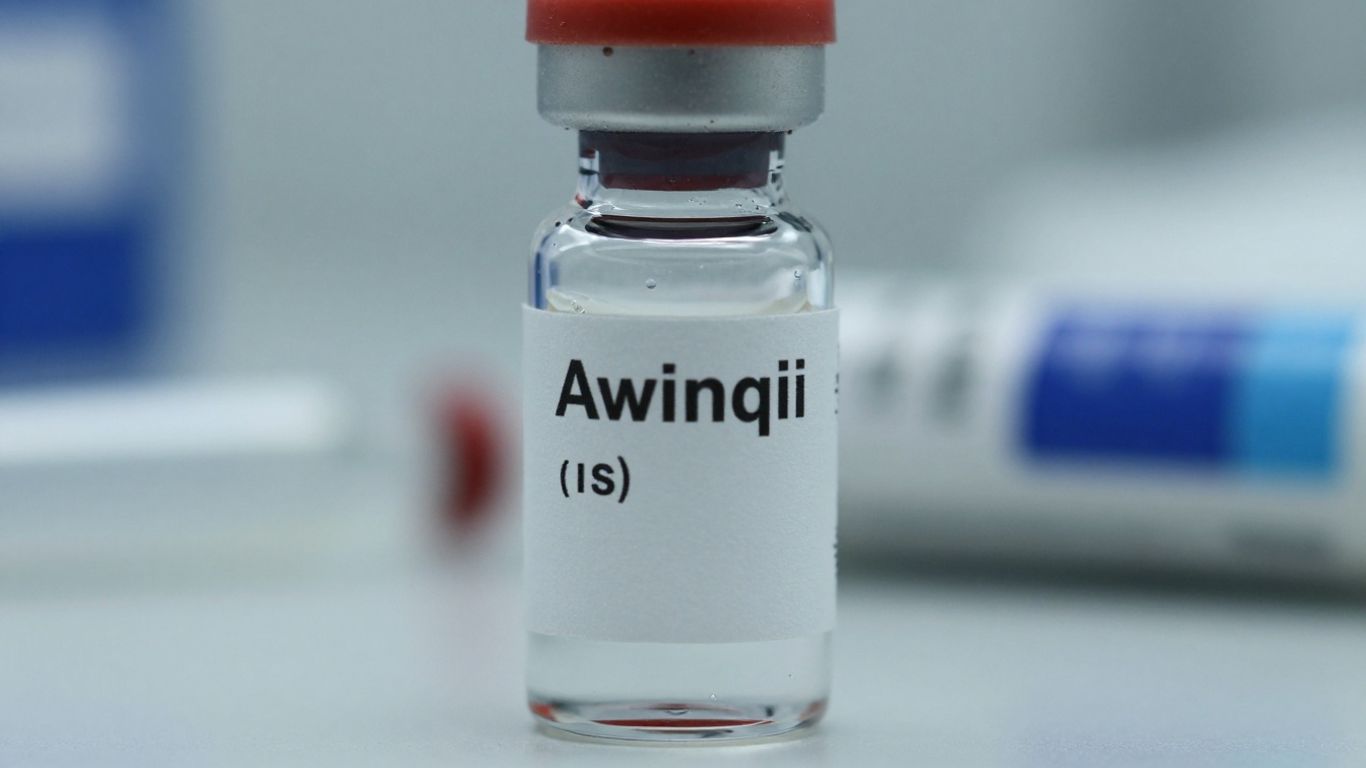
So, what exactly makes this once-weekly insulin possible? It all comes down to a new type of insulin called insulin icodec. Think of it as a specially designed molecule that’s built to last much longer in your body than the insulins we’ve been using daily. This extended action is key to allowing for a weekly injection schedule. It’s a pretty neat bit of science, really.
Pharmacokinetic and Pharmacodynamic Properties
When we talk about how a drug works in the body, we often use the terms pharmacokinetics (PK) and pharmacodynamics (PD). For insulin icodec, its PK profile is what allows it to be given just once a week. It’s absorbed slowly and steadily from the injection site, leading to a prolonged presence in the bloodstream. This slow release means it can provide a consistent background level of insulin over a seven-day period.
Its pharmacodynamic properties are also important. This refers to how the insulin affects blood sugar levels. Insulin icodec is designed to provide a steady glucose-lowering effect throughout the week, mimicking the action of basal insulin but with a much less frequent dosing schedule. This steady action is what helps to keep blood glucose levels more stable between meals and overnight.
Clinical Trial Evidence: The ONWARDS Program
To see if this new insulin actually worked and was safe, a big study program called ONWARDS was carried out. This wasn’t just one small trial; it involved several studies looking at insulin icodec in different groups of people with type 2 diabetes. The main goal was to compare it against the insulins people are currently using every day.
Here’s a quick look at what the ONWARDS program generally showed:
Glycemic Control: The studies found that once-weekly insulin icodec was effective in lowering A1c levels, similar to daily basal insulins. This means it did a good job of controlling blood sugar over time.
Safety: The safety profile was also looked at closely. While all insulins carry some risks, like hypoglycemia (low blood sugar), the ONWARDS trials helped to understand these risks with weekly dosing.
Patient Experience: Beyond just the numbers, the trials also gathered information on how patients felt about using a weekly insulin compared to a daily one. This feedback is super important for understanding the real-world impact.
The development of insulin icodec represents a significant step forward, aiming to simplify the complex daily routines often associated with diabetes management. By extending the duration of action, the goal is to reduce the number of injections from 365 per year down to just 52, which could make a big difference for many individuals.
Benefits of a Weekly Insulin Regimen
Switching to a once-weekly insulin like Awiqli can really change things for people managing type 2 diabetes. It’s not just about fewer shots; it’s about making life a bit simpler and more predictable.
Enhanced Adherence and Persistence
Let’s face it, remembering to take insulin every single day can be a hassle. Sometimes it’s easy to forget, or maybe you’re just tired of the routine. With Awiqli, that daily reminder is gone. Instead of 365 injections a year, you’re looking at just 52. That’s a huge difference! This reduction in the number of times you have to inject can make it much easier to stick with your treatment plan. When it’s simpler, people tend to do it more consistently, which is key for keeping blood sugar levels in a good range.
Reduced Treatment Burden for Patients
Think about what it means to have one less thing to worry about every day. No more checking if you have your insulin pen with you when you go out, no more planning your day around injection times. This significantly cuts down on the mental load and the practical difficulties that come with daily insulin. It frees up mental space and reduces the feeling of being constantly tied to your diabetes management. It’s about giving people more freedom and less to manage on a day-to-day basis.
Improved Quality of Life and Patient Satisfaction
When you combine fewer injections with less daily hassle, the result is often a better overall feeling about life. People report feeling more satisfied with their treatment when it’s less intrusive. This isn’t just about numbers on a glucose meter; it’s about feeling more in control and less burdened by diabetes. A simpler regimen can lead to more confidence and a generally more positive outlook, which is a big win for anyone living with a chronic condition.
Here’s a quick look at what this means:
Fewer Injections: From 365 per year down to 52.
Less Daily Hassle: No need to remember a daily shot.
More Freedom: Easier to manage your routine and travel.
Better Stick-to-it-ness: Higher chance of taking medication as prescribed.
The shift from daily to weekly insulin injections represents a significant step forward in making diabetes management more manageable. It addresses a core challenge by simplifying the treatment routine, which can have a ripple effect on adherence, patient well-being, and overall satisfaction with care.
Safety and Efficacy Compared to Daily Basal Insulin
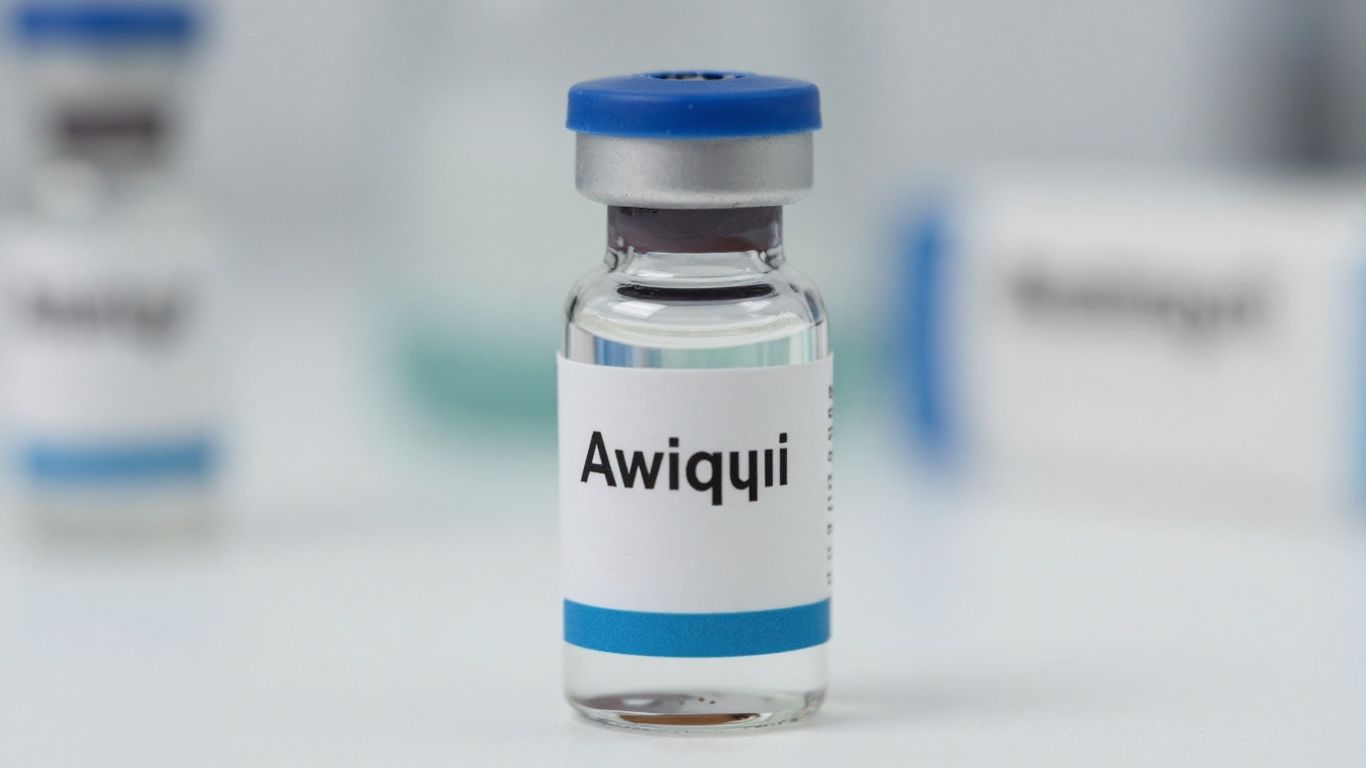
When we talk about Awiqli, a big question on everyone’s mind is how it stacks up against the insulins people are used to, the ones you inject every single day. It’s natural to wonder if a once-weekly shot can really do the same job, or even better, without causing more problems. The good news is, the studies show it’s pretty comparable.
Comparable Glycemic Control
Clinical trials, like the ONWARDS program, have looked closely at this. They found that Awiqli, which uses insulin icodec-Abae, offers similar blood sugar control to daily basal insulins. This means your A1c levels can be managed effectively, which is the main goal, right? The key is that you get this control with significantly fewer injections. Instead of 365 shots a year, it’s just 52. This isn’t just a small change; it’s a major shift in how diabetes management feels for patients. For those who might have struggled with remembering their daily dose or just found it a hassle, this weekly option could be a game-changer for maintaining good glycemic control [6bb4].
Understanding Potential Side Effects
Like any insulin, Awiqli does have potential side effects. The most common one to watch out for is hypoglycemia, or low blood sugar. This is something that’s always a consideration with insulin therapy, whether it’s daily or weekly. Other side effects can include injection site reactions, though these are generally mild. It’s important to remember that the risk profile is generally similar to what you’d expect with daily basal insulins. The studies haven’t shown a significantly higher risk of side effects just because the dosing is weekly.
Managing Risks and Considerations
So, how do you manage these risks? It really comes down to working with your healthcare provider. They’ll help you figure out the right dose and teach you how to recognize and treat hypoglycemia if it happens. It’s also about being aware of your body and any changes you notice.
Here are a few points to keep in mind:
Hypoglycemia: Be aware of the symptoms (shakiness, sweating, confusion) and have a plan to treat it.
Injection Sites: Rotate your injection sites to avoid irritation.
Monitoring: Continue to monitor your blood sugar as recommended by your doctor.
Communication: Don’t hesitate to reach out to your doctor if you have concerns or experience side effects.
While the convenience of a weekly injection is a huge plus, it doesn’t mean you can stop paying attention to your diabetes management. It’s still a powerful medication that requires careful handling and regular check-ins with your care team. The goal is to make life easier, not to introduce new complications.
Patient and Provider Perspectives on Weekly Insulin
It’s pretty clear that when it comes to managing diabetes, anything that makes life a little simpler is a big win. For folks living with type 2 diabetes, the idea of switching from daily insulin injections to just one a week is a game-changer. Think about it: 365 shots a year versus only 52. That’s a massive difference in daily routine and a huge relief for many.
Preference for Simplified Dosing
Most people seem to agree that a once-weekly insulin, like Awiqli, is a welcome change. It’s not just about fewer pokes; it’s about reducing the mental load that comes with managing a chronic condition. This simplified approach can really help people stick with their treatment plan, which is half the battle, right? When something is easier to do, you’re more likely to keep doing it.
Addressing Implementation Challenges
Of course, introducing something new isn’t always smooth sailing. There’s a definite need for good education for both patients and healthcare providers. People need to understand how the new weekly insulin works, how to use it correctly, and what to expect. Some experts pointed out that not everyone might be a perfect candidate right away, especially if they have very high blood sugar levels or need close daily monitoring. But overall, the feeling is that these hurdles can be overcome with the right support and information.
The Role of Education and Digital Tools
To make this weekly insulin a real success, education is key. Healthcare teams need to be on board and comfortable prescribing and managing it. Patients need clear instructions and ongoing support. It’s also interesting how digital tools and continuous glucose monitoring (CGM) are seen as helpful. These technologies can help fine-tune the weekly dosing and provide valuable insights, making the whole process more effective and personalized. It feels like a team effort, with technology playing a supporting role.
The shift to a once-weekly insulin regimen is largely seen as a positive step forward, promising better adherence and a reduced burden for patients. While some practical challenges exist, the consensus leans towards embracing this innovation with proper education and support systems in place.
The Future of Diabetes Care with Once-Weekly Insulin
Potential to Replace Daily Basal Insulins
It’s looking like once-weekly insulin might really shake things up, potentially becoming the go-to for many people managing type 2 diabetes. Think about it: instead of a daily shot, you just do one on a specific day each week. This isn’t just about convenience; it could mean a big shift in how we approach basal insulin therapy. Many experts believe this weekly option could eventually take the place of the daily basal insulins we’ve been using for years. It’s a pretty significant change when you consider how long daily injections have been the standard.
Integration with Other Weekly Therapies
As we move forward, the idea of combining therapies that are also taken weekly is gaining traction. Imagine a diabetes management plan where multiple medications are administered on a once-weekly schedule. This could simplify things even further, reducing the number of times a person needs to think about their treatment throughout the month. It’s about creating a more streamlined and less demanding regimen for patients, making it easier to stick with their treatment plan.
Economic Implications and Cost-Effectiveness
Beyond the patient experience, there are economic factors to consider. Studies are looking into whether weekly insulin options are a good investment for healthcare systems. The initial thought is that by simplifying treatment and potentially improving adherence, there could be long-term savings. Fewer doctor visits for dose adjustments or managing complications related to poor adherence could add up. It’s a complex picture, but the goal is to find treatments that are not only effective but also sustainable for healthcare budgets.
Here’s a quick look at some potential benefits:
Reduced Dosing Frequency: One injection per week instead of seven.
Improved Adherence: Simpler schedules often lead to better patient compliance.
Potential Cost Savings: Reduced burden on healthcare resources over time.
Enhanced Quality of Life: Less disruption to daily routines.
The move towards less frequent dosing isn’t just a minor tweak; it represents a significant step in making diabetes management more manageable and less intrusive for individuals living with the condition. The focus is on making life easier while still achieving the necessary health outcomes.
Wrapping It Up
So, what does all this mean for folks managing type 2 diabetes? Basically, Awiqli is a pretty big deal. It takes something that’s been a daily grind for years – giving yourself insulin shots – and stretches it out to just once a week. The studies show it works just as well as the daily kind for keeping blood sugar in check, but with way fewer injections. This could make a huge difference for people who find sticking to a daily routine tough. It’s not a magic cure, of course, and there are still things to watch out for, like with any medication. But the idea of simplifying treatment and making it easier to stick with is definitely a step forward. It’s exciting to see new options like this come out, aiming to make life just a little bit easier for people living with diabetes.
Frequently Asked Questions
What is Awiqli and why is it special?
Awiqli is a new type of insulin for adults with type 2 diabetes that you only need to take once a week. Most other insulins are taken every day. This makes Awiqli a big change because it means fewer shots for people managing their diabetes.
How does Awiqli work?
Awiqli is a long-acting insulin, meaning it stays in your body for a long time to help control your blood sugar. It’s designed to be taken just one time every seven days. The medicine is called insulin icodec-abae, and it works like other basal insulins to keep your blood sugar steady between meals and overnight.
Is Awiqli as good as taking insulin every day?
Yes, studies showed that Awiqli works just as well as taking insulin daily for controlling blood sugar levels. The main difference is the convenience of taking it only once a week, which can make it easier for people to stick with their treatment plan.
What are the benefits of using Awiqli?
The biggest benefit is that you only need one shot per week instead of seven. This can make managing diabetes less of a hassle and easier to remember. Many people find that taking fewer shots improves their quality of life and makes them feel more in control.
Are there any side effects with Awiqli?
Like all insulins, Awiqli can have side effects. The most common one is low blood sugar, also called hypoglycemia. Other possible side effects include reactions where you inject it, weight gain, or skin changes. It’s important to talk to your doctor about any concerns.
Who can use Awiqli?
Awiqli is approved for adults who have type 2 diabetes and need insulin to help manage their blood sugar, along with diet and exercise. It’s a new option for people who find daily insulin injections difficult to manage or remember.