
You’ve probably grabbed a box of Sudafed PE off the shelf for your stuffy nose, thinking it’ll do the trick. But lately, you might have noticed it doesn’t seem to work like you remember, or maybe not at all. There’s a reason for that, and it has to do with the ingredients. It turns out, the Sudafed you buy without a prescription is quite different from the original, and that difference matters a lot when you’re trying to breathe easier.
Key Takeaways
The main difference between Sudafed and Sudafed PE is the active ingredient: pseudoephedrine in Sudafed (behind the counter) and phenylephrine in Sudafed PE (on the shelf).
For decades, studies have suggested that oral phenylephrine, the ingredient in Sudafed PE, is not effective at reducing nasal congestion.
Pseudoephedrine, the ingredient in original Sudafed, has a long history of being an effective nasal decongestant.
Due to its use in making illegal drugs, pseudoephedrine was moved behind pharmacy counters in 2005, leading manufacturers to switch to phenylephrine for over-the-counter products.
Recent FDA reviews and expert panels have confirmed that oral phenylephrine is likely no more effective than a placebo, leading to recommendations to remove it from the market.
Understanding The Active Ingredients
When you head to the pharmacy for relief from a stuffy nose, you’ll probably notice two main versions of Sudafed: one with pseudoephedrine and another with phenylephrine (Sudafed PE). They sound similar, but how they work—and whether they actually help—are big questions.
Pseudoephedrine: The Proven Decongestant
Pseudoephedrine is known for its effectiveness against nasal congestion. It works by shrinking blood vessels in the nasal passages, which helps open things up so you can breathe again. Even after stricter rules put it behind pharmacy counters in 2005 due to concerns over misuse, people still ask for it by name because it actually tends to work.
Pseudoephedrine is absorbed well when taken by mouth.
It gets into your bloodstream and reduces swollen nasal tissue.
Most people experience noticeable relief within an hour.
People looking for quick, real relief from a blocked nose often swear by pseudoephedrine—the difference in breathing can feel like night and day.
Phenylephrine: The Controversial Alternative
Phenylephrine, which you’ll find in Sudafed PE and similar products, was meant to replace pseudoephedrine on pharmacy shelves. But here’s the kicker: most studies show it barely works, if at all, when taken by mouth.
Its absorption is poor in the gut.
Only a small fraction actually makes it into the bloodstream.
Recent FDA panels have said it’s basically no better than placebo at standard doses.
Sudafed vs Sudafed PE: A Key Difference
So, why does Sudafed work, but Sudafed PE doesn’t? It all boils down to their main ingredient and how your body processes it:
Product Name | Active Ingredient | Absorption | Effective Relief? |
|---|---|---|---|
Sudafed | Pseudoephedrine | High | Yes |
Sudafed PE | Phenylephrine | Low | Rarely |
Pseudoephedrine provides real congestion relief for most people.
Phenylephrine often doesn’t produce any noticeable change.
Packaging can be confusing—don’t just go by the brand name, check the label for the active ingredient.
When you’re standing in the cold medicine aisle, those two red boxes might look nearly identical, but what’s inside can make all the difference between being able to breathe again or just feeling let down.
The Science Behind Decongestion
So, how exactly are these decongestants supposed to work? It all comes down to constricting blood vessels. When you have a cold or allergies, the tissues in your nose, called turbinates, get all swollen and stuffy. Think of them like little sponges that fill up with blood. Decongestants aim to shrink these swollen blood vessels, which in turn reduces the swelling and opens up your nasal passages so you can breathe easier.
How Pseudoephedrine Relieves Nasal Swelling
Pseudoephedrine is a stimulant that acts a lot like adrenaline. When you take it, it tells the blood vessels in your nose to tighten up. This constriction means less blood flows into those swollen turbinates, making them shrink. This direct action on the blood vessels is why pseudoephedrine has historically been effective at clearing up nasal congestion. It gets into your bloodstream and works systemically, meaning it affects blood vessels all over your body, including those in your nose. This is also why it can have side effects like increased heart rate or blood pressure.
Why Oral Phenylephrine Falls Short
Phenylephrine, on the other hand, is supposed to do the same thing – constrict blood vessels. However, when taken orally (as a pill), it seems to have a really tough time getting to the nasal tissues effectively. A big part of the problem is how your body processes it. It gets broken down pretty quickly in your gut and liver before it can even make it into your bloodstream in a significant amount. This means there’s just not enough of the drug circulating to actually make a noticeable difference in those swollen nasal vessels. It’s like sending a tiny messenger to deliver a huge package – they just can’t carry enough.
The Role of Bloodstream Absorption
This is where the rubber meets the road, or rather, where the drug meets the nose. For an oral decongestant to work, it needs to be absorbed into your bloodstream and then travel to the nasal tissues. Pseudoephedrine does this pretty well. Phenylephrine, however, is largely metabolized before it can reach the nasal passages in a concentration high enough to cause significant vasoconstriction. Studies have shown that even at higher doses, oral phenylephrine doesn’t perform much better than a sugar pill. It’s a classic case of a drug that works well when applied directly (like in a nasal spray, where it bypasses the digestive system) but fails when taken by mouth.
Here’s a simplified look at the difference:
Ingredient | How it Works (Oral) | Effectiveness for Nasal Congestion |
|---|---|---|
Pseudoephedrine | Absorbed into bloodstream, constricts nasal blood vessels | Generally Effective |
Phenylephrine | Largely metabolized, minimal reaches nasal tissues | Generally Ineffective |
Historical Context And Regulatory Changes
The Shift From Pseudoephedrine
Back in the day, if you had a stuffy nose, chances are you reached for Sudafed containing pseudoephedrine. It was the go-to ingredient for nasal congestion for ages. But then, things changed. Around 2005, federal law stepped in and moved pseudoephedrine behind the pharmacy counter. Why? To make it harder for people to get their hands on it for making illegal methamphetamine. This was a big deal for cold and allergy medicine manufacturers. They had to scramble to reformulate their products. Suddenly, pseudoephedrine was out, and a new player, phenylephrine, was in. This is when brands like Sudafed PE started popping up, using phenylephrine as their main decongestant ingredient, readily available on the shelves.
Phenylephrine’s Rise to Prominence
With pseudoephedrine now tucked away behind the counter, phenylephrine became the main oral decongestant option for most people. Manufacturers quickly swapped out pseudoephedrine for phenylephrine in many over-the-counter (OTC) cold and allergy medications. This made it super convenient for consumers to grab a decongestant without needing to ask a pharmacist. It seemed like a simple solution to a regulatory problem. However, this switch wasn’t just a simple ingredient swap; it set the stage for questions about whether the new ingredient was actually as effective as the old one.
Decades of Questionable Efficacy
Even as phenylephrine became the dominant OTC nasal decongestant, some scientists and doctors started raising eyebrows. They suspected that this new ingredient, especially when taken orally, just wasn’t cutting it for relieving nasal swelling. Despite these concerns, phenylephrine continued to be widely used for years. The regulatory process for older OTC drugs, established long ago, had some quirks. It meant that drugs approved before a certain time, or those that followed specific guidelines, didn’t always need the same rigorous testing for effectiveness as newer medications. This created a situation where a widely used medication might not have solid proof of working as intended, leaving consumers in the dark about its actual benefits.
The way older medications are regulated can be a bit of a maze. Some drugs that have been around for a long time, or were approved under older rules, might not have gone through the same tough testing for effectiveness that we expect today. This can lead to situations where a product is on the market, and people assume it works, but the scientific evidence just isn’t there.
Here’s a look at how the FDA’s review process for OTC drugs has evolved:
Pre-1962: Drugs mainly needed to be proven safe. Effectiveness wasn’t a primary requirement.
1962 Amendment: This changed things, requiring drugs to be proven both safe and effective.
OTC Monograph Process (started 1976): For non-prescription drugs, this process aimed to review existing ingredients. Ingredients deemed “Generally Recognized As Safe and Effective” (GRASE) could continue to be used without individual FDA approval if they met specific criteria.
The Challenge: The review for nasal decongestants, including phenylephrine, took a very long time, and questions about phenylephrine’s effectiveness lingered for decades within this system.
Recent Findings And FDA Scrutiny
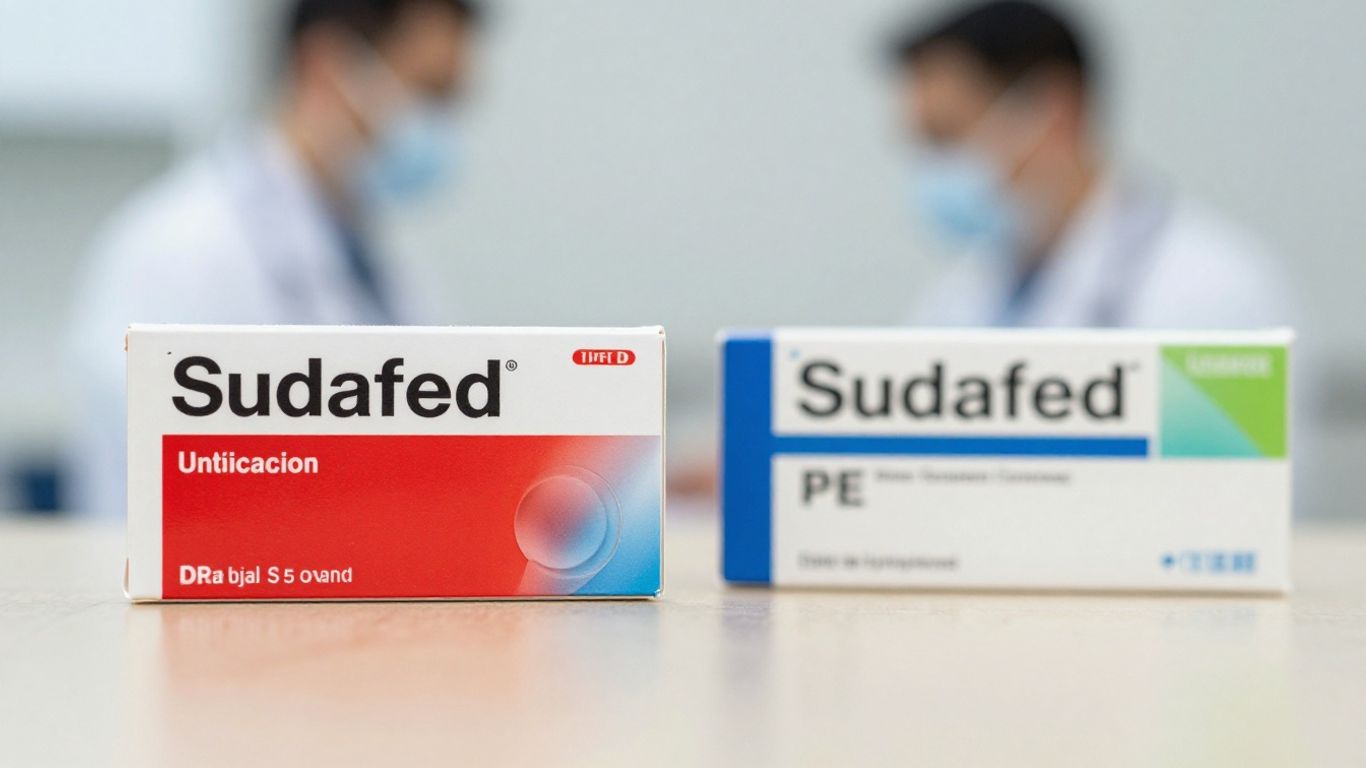
Lately, there’s been a lot of talk, and frankly, some serious questioning, about whether Sudafed PE actually does what it’s supposed to do. It turns out, the Food and Drug Administration (FDA) has been looking into this, and the results are pretty eye-opening. It all comes down to that active ingredient: phenylephrine.
Advisory Panel’s Unanimous Verdict
Back in late 2023, an FDA advisory committee got together. They reviewed all the available scientific information on oral phenylephrine, the stuff in Sudafed PE. And guess what? They came to a pretty solid conclusion: the current data just doesn’t show that it works as a nasal decongestant when taken by mouth. This wasn’t a close call either; it was a unanimous vote. This is a big deal because these panels are made up of experts who really know their stuff.
Evidence Suggesting Ineffectiveness
So, why the doubt? Well, the science just isn’t backing up phenylephrine’s effectiveness. Unlike its predecessor, pseudoephedrine, which has a well-documented history of actually shrinking swollen nasal tissues, phenylephrine seems to have a much harder time getting into the bloodstream in a way that makes a difference. Studies comparing it to a placebo often show minimal to no real benefit for people suffering from stuffy noses. It’s like taking a pill that promises to fix a problem, but then you don’t actually feel any better.
The ‘Grandfather Clause’ Loophole
How did a drug with questionable effectiveness even get on the market in the first place? A lot of it has to do with how drugs were regulated decades ago. Before 1962, the FDA didn’t require the same level of proof for effectiveness as it does now. Many older over-the-counter drugs, including phenylephrine, were approved under a sort of ‘grandfather clause.’ This meant they were considered safe based on past use, but their effectiveness wasn’t rigorously tested by today’s standards. This regulatory history is a big reason why we’re having these conversations now, as the FDA re-evaluates older medications based on modern scientific understanding. It’s a complex issue, and it highlights how regulatory frameworks can evolve over time, sometimes leaving older products in a gray area. The FDA is now trying to catch up, looking at these older drugs with fresh eyes and new scientific evidence. You can read more about the FDA’s role in drug approval here.
Here’s a quick look at how phenylephrine stacks up:
Ingredient | Common Brand | How it Works (Claimed) | Scientific Support (Oral) |
|---|---|---|---|
Phenylephrine | Sudafed PE | Reduces nasal swelling | Limited/Questionable |
Pseudoephedrine | Sudafed | Reduces nasal swelling | Strong/Proven |
Comparing Effectiveness: What The Research Shows
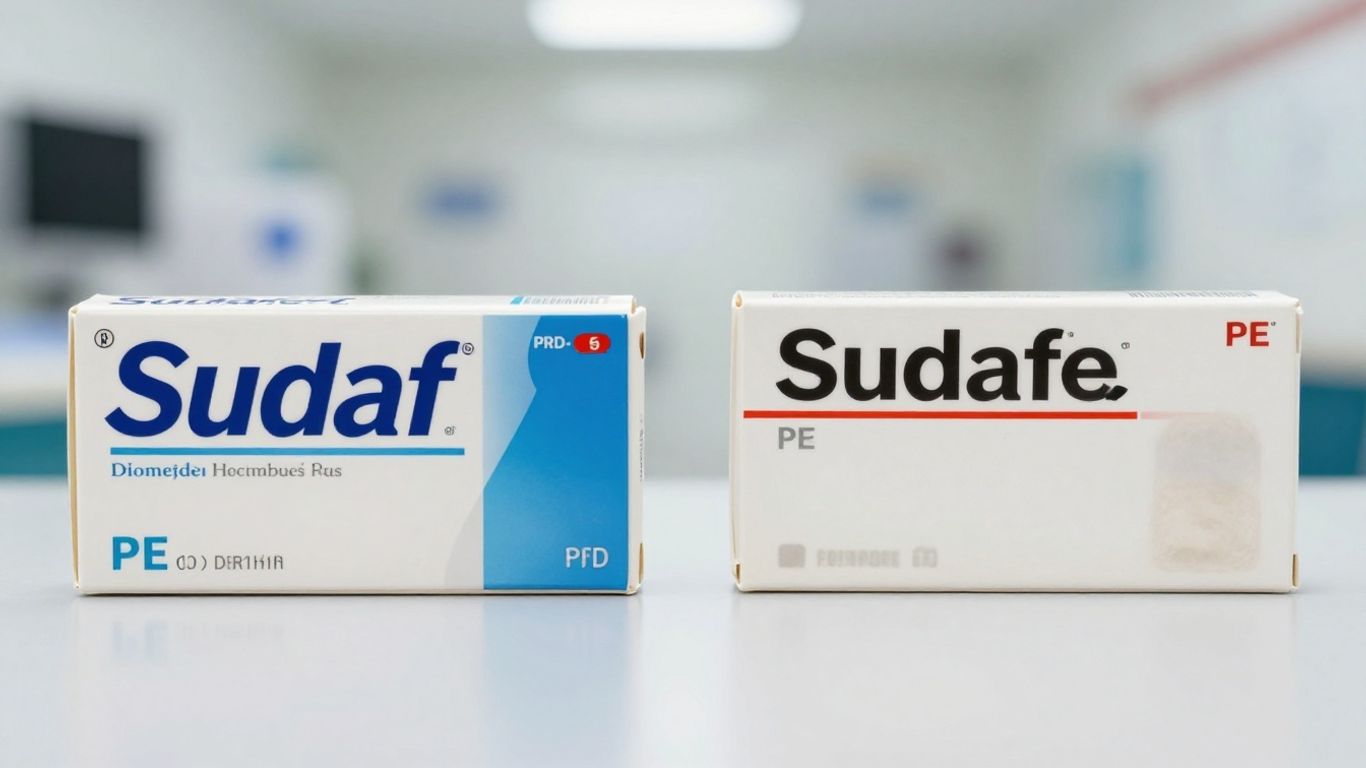
When looking at decongestants, research really tells a different story for Sudafed (pseudoephedrine) and Sudafed PE (phenylephrine). Let’s break down what the studies say about these two ingredients and why the results matter for anyone grabbing something off the pharmacy shelf.
Studies Comparing Phenylephrine to Placebo
Multiple clinical trials have stacked oral phenylephrine against dummy pills (placebos), and the scorecard isn’t great for phenylephrine:
Study Type | Number of Studies | Found Phenylephrine Effective | Found No Difference vs. Placebo |
|---|---|---|---|
Published trials | 4 | 2 | 2 |
Unpublished trials | 7 | 1 | 6 |
FDA review/meta-analyses | Several | 0 | Majority |
The big takeaway? Most research doesn’t show phenylephrine helping more than a sugar pill.
Industry-Sponsored vs. Independent Research
All studies aren’t created equal, so it’s smart to check who’s backing them:
Industry-funded trials are sometimes more likely to report positive results
In one case, a lab consistently reported strong benefits for phenylephrine—but closer inspection suggested problems with how the data was handled
Independent reviews and systematic analyses often find little or no real benefit over placebo
The Impact of Dosage and Delivery Method
There’s more to the story than just which ingredient is on the label:
Many trials used standard over-the-counter dosages, which are limited by safety concerns
Increasing the dose of oral phenylephrine hasn’t proven effective or safe—your body just doesn’t absorb it well
Nasal sprays with phenylephrine can work (because it’s applied right where it’s needed), but when swallowed, it’s mostly broken down before helping your nose
When you grab a decongestant, remember: not everything on the pharmacy shelf works the way you might hope, no matter how familiar the brand seems.
In short, the strongest research supports pseudoephedrine for real congestion relief. Phenylephrine, at least in pill form, still has a lot to prove.
Navigating Your Cold and Allergy Options
So, you’re feeling under the weather, and your nose feels like a blocked-up tunnel. It’s tempting to just grab the first decongestant you see, but as we’ve discussed, not all of them are created equal. Understanding the active ingredient is key to actually getting relief.
When Sudafed PE Might Not Work
If you’ve tried Sudafed PE and found yourself still stuffed up, you’re not alone. The science suggests that phenylephrine, the main ingredient in Sudafed PE when taken orally, often doesn’t make it to your nasal passages in effective amounts. It has to go through your whole system – stomach, intestines, liver – before it even gets to your bloodstream, and by then, there’s just not enough left to really shrink those swollen blood vessels in your nose. It’s like sending a whisper across a crowded stadium; it just doesn’t get there.
Effective Alternatives for Nasal Congestion
Don’t despair, though! There are definitely better ways to tackle that stuffy nose. For a more reliable decongestant effect, look for products containing pseudoephedrine. You’ll often find these behind the pharmacy counter, requiring an ID, because they are more effective pseudoephedrine products are. While it can be a stimulant, it’s generally considered the go-to for oral relief.
But what if you need something for nighttime or want to avoid stimulants altogether? That’s where other options shine:
Saline Nasal Sprays: These are fantastic for moisturizing nasal passages and helping to thin mucus. They’re safe for frequent use and don’t have systemic side effects.
Topical Decongestant Sprays (Short-Term Use): Sprays like oxymetazoline can provide rapid relief by acting directly in the nose. However, they’re really only meant for a few days of use to avoid rebound congestion.
Nasal Steroid Sprays: For ongoing issues like allergies, these are often the best bet. They reduce inflammation directly in the nose and are safe for long-term use.
Oral Antihistamines: If allergies are contributing to your congestion, antihistamines can be very helpful.
The Advantage of Nasal Sprays
Nasal sprays offer a direct route to the problem area. When you spray a medication directly into your nose, it can start working much faster and more effectively than an oral medication that has to travel through your entire body. This localized action means you can often get significant relief without the systemic side effects that oral medications might cause, like increased heart rate or blood pressure. It’s a more targeted approach, which is why many doctors recommend them, especially for short-term relief or when dealing with inflammation.
It’s easy to just think ‘stuffy nose means decongestant,’ but congestion is a symptom that can have many causes. Sometimes it’s just a cold, but other times it could be allergies or even something more serious. Understanding what’s causing your congestion is the first step to finding the right treatment, and a doctor or pharmacist can help with that.
So, What’s the Takeaway?
It turns out that the Sudafed you grab off the shelf, often labeled Sudafed PE, might not be doing much for your stuffy nose. For years, the active ingredient, phenylephrine, just hasn’t proven effective when taken as a pill. The original Sudafed, with pseudoephedrine, works, but it’s now kept behind the pharmacy counter. While the FDA is finally looking into this, it’s been a long road. For now, if you’re looking for real relief from congestion, you might need to ask your pharmacist for the pseudoephedrine version or consider other options like nasal sprays. It’s a bit of a hassle, but at least you’ll know you’re getting something that actually helps.
Frequently Asked Questions
What’s the main difference between Sudafed and Sudafed PE?
The big difference is the main ingredient that helps with stuffy noses. Regular Sudafed uses pseudoephedrine, which is known to work well. Sudafed PE uses phenylephrine, which studies now show doesn’t work very well when you take it as a pill or liquid.
Why doesn’t Sudafed PE (phenylephrine) work as well as Sudafed (pseudoephedrine)?
When you swallow Sudafed PE, the phenylephrine has to go through your stomach, intestines, and liver before it even gets to your bloodstream and then your nose. By the time it gets there, there’s not enough of the medicine left to actually reduce the swelling in your nose and help you breathe better. Pseudoephedrine, on the other hand, gets to your nose in a way that effectively reduces swelling.
If phenylephrine doesn’t work when taken by mouth, does it work in nasal sprays?
Yes, when phenylephrine is used as a nasal spray, it can work. This is because it’s sprayed directly into your nose. It shrinks the blood vessels right there, opening up your nasal passages. Plus, it doesn’t go all over your body, so there are fewer side effects.
Why have products with phenylephrine been sold for so long if they don’t work?
Many older medicines, like those with phenylephrine, were approved before the government required strong proof that they actually worked. They were ‘grandfathered’ in. Even though newer studies show phenylephrine taken by mouth isn’t effective, it’s taken a long time for the rules to catch up. Plus, companies that made these products funded some studies that weren’t as thorough.
What should I use instead of Sudafed PE if I have a stuffy nose?
You can ask your pharmacist for Sudafed that contains pseudoephedrine. Nasal sprays containing ingredients like oxymetazoline (like Afrin) can also provide relief. Sometimes, even a simple saline nasal spray can help moisten your nasal passages and ease congestion. It’s always best to talk to your doctor or pharmacist to find the right solution for you.
Can I still buy Sudafed with pseudoephedrine?
Yes, you can, but it’s usually kept behind the pharmacy counter. This is because pseudoephedrine can be used to make illegal drugs, so there are rules about how it’s sold. You’ll need to ask the pharmacist for it, but it’s still an effective option for relieving nasal congestion.