
You know, sometimes the simplest things can make a huge difference when things go sideways. That’s kind of the deal with medical alert bracelets. They might look like just another piece of jewelry, but these things are actually super important for anyone dealing with health stuff. Whether you’ve got a chronic condition, a serious allergy, or you’re just worried about being able to communicate in an emergency, a medical alert bracelet is a small step that can really matter. Let’s break down why they’re so useful and who should really consider wearing one.
Key Takeaways
Medical alert bracelets are wearable devices that clearly communicate vital health information to emergency responders when you can’t speak for yourself.
They are crucial for preventing dangerous medical errors, especially concerning allergies and medication interactions.
These bracelets offer a way to ensure immediate access to life-saving information, promoting personal safety and independence.
For individuals with chronic conditions, severe allergies, or cognitive impairments, a medical alert bracelet provides peace of mind for both them and their families.
While traditional bracelets are effective, modern options like smartphone IDs and wearable tech can supplement or offer alternative ways to store and access medical information.
Understanding Medical Alert Bracelets
What Constitutes Medical Alert Jewelry
Medical alert jewelry, at its core, is a piece of accessory designed to communicate vital health information when you can’t. Think of it as a silent spokesperson for your body during an emergency. These aren’t just fancy bracelets; they’re functional tools. They typically feature an engraving or a symbol that emergency responders recognize instantly. This symbol, often a caduceus or a medical cross, signals that important health details are present. The jewelry itself can range from simple, engraved metal bands to more stylish pieces incorporating stones or different metals, but the primary purpose remains the same: to provide immediate health context.
The Historical Significance of Medical IDs
The idea behind medical IDs isn’t exactly new. It really got going back in the 1950s when a doctor’s daughter had a serious allergic reaction. Before that, people might have carried cards, but a wearable ID was a game-changer. It meant that even if you were unconscious or confused, your medical needs could still be communicated. Over the decades, these IDs have evolved from basic metal tags to sophisticated systems. They’ve gone from being a niche item to something widely recognized and recommended by health organizations. It’s a testament to how important it is for emergency teams to have quick access to your health story.
Why Medical Alert Bracelets Are Essential Safety Tools
So, why are these bracelets so important? Well, emergencies don’t always give you a heads-up. You might have a condition like diabetes, a severe allergy, or a heart issue that could cause a sudden problem. If you’re unable to speak for yourself – maybe you’ve fainted, are disoriented, or are simply too overwhelmed – these bracelets speak for you. They tell paramedics or doctors about your allergies, medications, or conditions, which can prevent them from giving you something harmful or help them decide on the right treatment right away. It’s about making sure you get the correct care, fast, without any guesswork.
Immediate Information Access: First responders can see your critical health data instantly.
Error Prevention: Reduces the chance of dangerous medication mistakes or allergic reactions.
Independence Support: Allows individuals to live more freely, knowing help will be informed.
Family Peace of Mind: Loved ones worry less, trusting that medical needs will be known.
Medical alert bracelets act as a constant safety net. They provide a reliable way to share your health story, especially when you’re not in a position to do so yourself. This simple accessory can make a significant difference in the speed and quality of emergency medical care you receive.
The Critical Role of Medical Alert Bracelets
When you’re in a medical emergency, especially if you can’t speak for yourself, every second counts. That’s where medical alert bracelets really shine. They’re not just accessories; they’re vital tools that can make a huge difference in how you’re treated.
Preventing Dangerous Medical Errors
Imagine this: you’re having a reaction to a medication, or you’ve taken something that interacts badly with another drug you’re on. Without a medical alert bracelet, emergency responders might not know about your allergies or current medications. This could lead them to give you something that makes things much worse. A bracelet clearly states things like “Allergic to Penicillin” or “Diabetic – Type 1.” This simple information helps prevent serious mistakes.
Allergy Alerts: Stops the administration of medications that could cause a severe reaction.
Medication Interactions: Warns responders about drugs that could conflict with emergency treatments.
Condition Clarity: Lets medical staff know about specific health issues, avoiding incorrect procedures.
Medical alert bracelets act as a silent but clear voice when you can’t communicate your needs. They provide immediate, life-saving information that guides emergency personnel in making the best treatment decisions, especially in those first critical minutes.
Ensuring Immediate Access to Life-Saving Information
In a crisis, fumbling through a wallet or trying to call a loved one isn’t always possible. A medical alert bracelet is right there on your wrist. Emergency teams are trained to look for these IDs. They can quickly see your name, your main medical conditions, and sometimes even emergency contacts. This means faster, more appropriate care.
Enhancing Personal Safety and Independence
For people with chronic conditions, severe allergies, or conditions like epilepsy, a medical alert bracelet offers a sense of security. It means you can live a more independent life, whether you’re exercising, traveling, or just out and about. You know that if something happens, the information needed to help you is readily available. This is especially true for seniors living alone or anyone who spends time by themselves.
Providing Peace of Mind for Families
It’s not just about the person wearing the bracelet. For family members and caregivers, knowing their loved one has a medical alert ID brings a lot of comfort. They worry less about what might happen when they’re not around. They can rest easier knowing that even if the unexpected occurs, there’s a system in place to share vital medical details.
Who Benefits from Wearing Medical Alert Bracelets
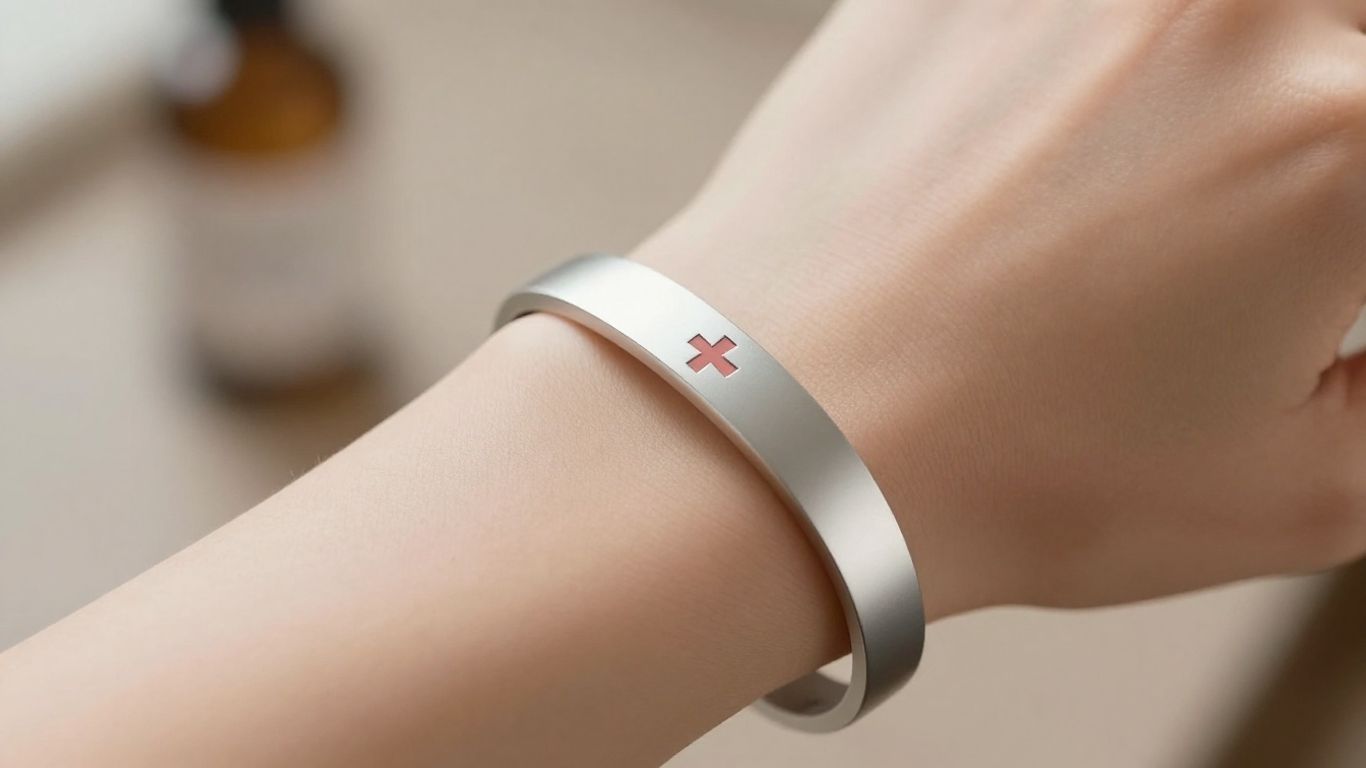
You might think medical alert bracelets are just for older folks or people with really serious, obvious conditions. But honestly, a lot more people could find them super helpful. It’s not just about having a chronic illness; it’s about anything that could suddenly make it hard to tell someone what’s going on with your health when you really need them to know.
Individuals with Chronic Medical Conditions
This is probably the most common group. If you’re managing something long-term like diabetes, heart disease, epilepsy, or asthma, a bracelet can be a lifesaver. Emergencies don’t always give you a heads-up. A sudden low blood sugar episode, a seizure, or a heart event can leave you unable to communicate. Having your condition clearly marked means first responders know exactly what they’re dealing with right away. This can prevent them from giving you the wrong treatment or making a mistake that could be harmful.
Those with Severe Allergies or Medication Sensitivities
This is a big one. Think about severe allergies to things like bee stings, nuts, or even certain medications like penicillin. In an emergency, if you’re having a bad reaction, you might not be able to tell anyone what you’re allergic to. A bracelet can stop paramedics from giving you something that could make things much, much worse. It’s also for people who have bad reactions to specific drugs or have sensitivities that doctors need to know about before prescribing anything.
People with Neurological or Cognitive Impairments
Conditions like Alzheimer’s, dementia, or even traumatic brain injuries can affect memory and communication. Someone might wander off and get lost, or have a medical event and be unable to explain their history. A medical alert bracelet acts as a constant, reliable source of information. It can help them get the right care and even help authorities identify them and contact their family if they’re found disoriented.
Active Individuals and Travelers
Even if you’re generally healthy, if you’re someone who likes to hike, bike, travel solo, or just be out and about a lot, a medical alert bracelet offers an extra layer of safety. Accidents can happen anywhere. If you’re out on a trail and get injured, or if you’re in a foreign country and have a medical issue, having your key medical info readily available can make a huge difference. It means you’re not completely dependent on your phone working or someone knowing your medical background.
Wearing a medical alert bracelet isn’t about admitting weakness; it’s about being prepared. It’s a simple, proactive step that can significantly impact the outcome of an emergency, ensuring you receive the most appropriate and timely care possible, even when you can’t advocate for yourself.
Choosing the Right Medical Alert Bracelet
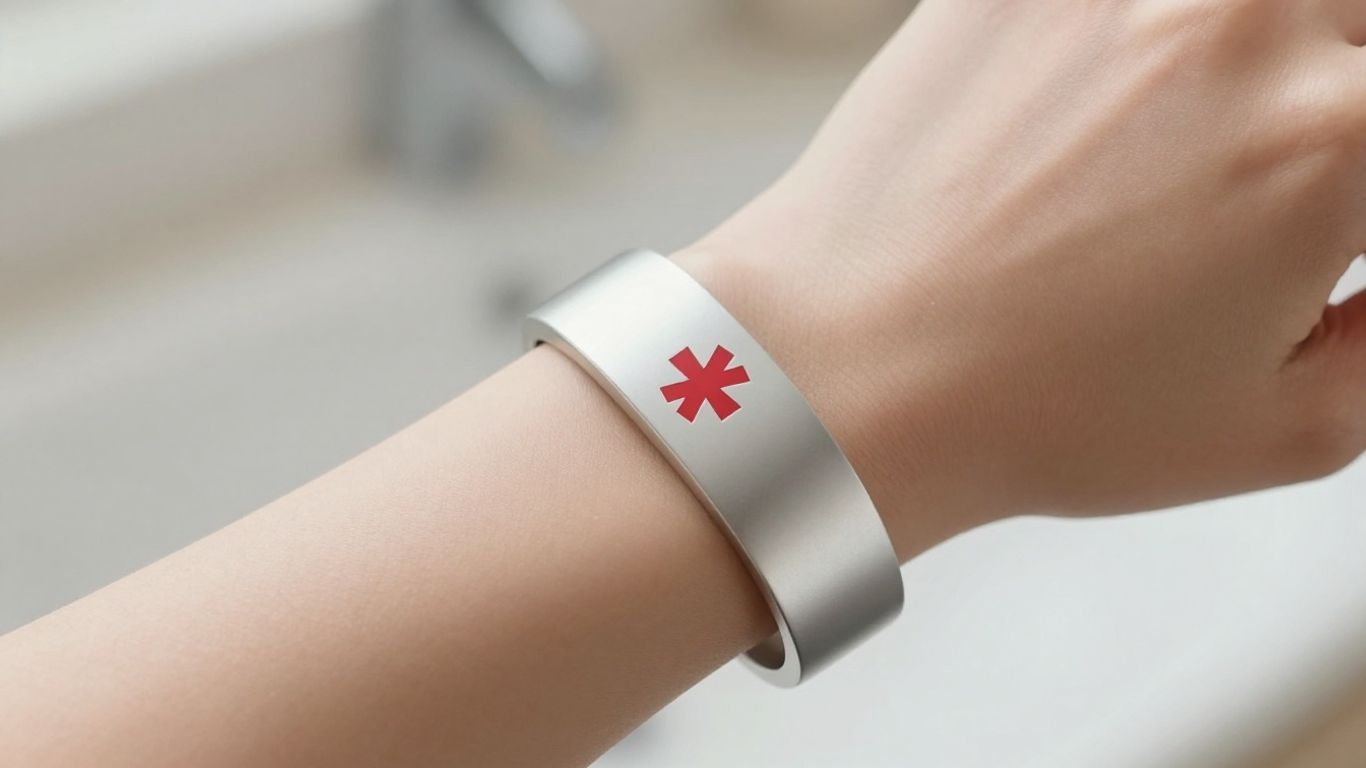
Picking out a medical alert bracelet isn’t just about grabbing the first shiny thing you see. It’s about finding something that works for you, day in and day out. Think about it – this little piece of jewelry is going to be your constant companion, so it needs to be comfortable and practical.
Styles and Designs for Men and Women
Gone are the days when medical alert bracelets all looked the same, like something your grandpa would wear. Now, there’s a huge variety out there. For women, you can find delicate chains, beaded styles, or even charm bracelets that look like regular fashion accessories. Many come with interchangeable charms so you can switch up your look. Men have plenty of options too, from sturdy stainless steel bands and rugged leather straps to more understated silicone bands. The key is finding something that fits your personal style, whether that’s classic, modern, or somewhere in between. You want to wear it, right? So it should feel like you.
Key Considerations for Durability and Comfort
When you’re looking at bracelets, don’t just focus on how they look. Durability is super important. You’ll be wearing this thing all the time, through workouts, showers, and everything else life throws at you. Materials like stainless steel, titanium, and silicone are generally really tough and resist scratches and corrosion. Leather can be comfortable but might need more care. Also, think about the clasp – it needs to be secure enough not to fall off but easy enough for you to open and close. Comfort is king; if it’s not comfortable, you won’t wear it. Look for smooth edges and maybe an adjustable band, especially if your wrist size changes throughout the day. A bracelet that’s too tight or too loose is just annoying and might not stay put when you need it most. You can find some great options designed for daily wear.
Balancing Aesthetics with Medical Functionality
This is where it gets tricky, but it’s totally doable. You want something that looks good, but it also needs to clearly communicate your medical information. Most bracelets have a medical alert symbol – that’s the universal sign for emergency responders. Make sure this symbol is visible. The engraving on the back is where your critical info goes. You need enough space for the important stuff, but you don’t want the engraving to be so tiny it’s unreadable. Some people opt for a stylish bracelet and then carry a separate medical ID card in their wallet, which can hold more details. It’s all about finding that sweet spot where your bracelet is both a fashion statement and a life-saving tool. Here’s a quick rundown of what to think about:
Material: Stainless steel, titanium, silicone, leather, silver.
Clasp Type: Lobster claw, buckle, magnetic, slip-on.
Engraving Space: How much text can it hold?
Water Resistance: Important if you don’t want to take it off for swimming or showering.
Hypoallergenic Properties: If you have sensitive skin.
Ultimately, the best medical alert bracelet is the one you’ll actually wear consistently. Don’t compromise so much on style that you forget to put it on, or so much on function that you hate wearing it. It needs to be a seamless part of your life.
Essential Information for Your Medical Alert Bracelet
So, you’ve decided a medical alert bracelet is the way to go. That’s a smart move! But what exactly should you put on it? It’s not like you can write your whole medical history on a tiny band. The trick is to be super clear and only include what’s absolutely necessary for someone helping you in a pinch. Think of it as your emergency elevator pitch for your health.
Prioritizing Critical Medical Details
When it comes to engraving, you’ve got limited space, so you need to be strategic. What’s the absolute first thing an EMT or doctor needs to know? Usually, it’s your most serious condition or a life-threatening allergy. If you have something like Type 1 Diabetes or a severe penicillin allergy, that needs to be front and center. This information can literally save your life by preventing dangerous medical errors. After that, think about medications that could seriously impact emergency treatment, like blood thinners. And don’t forget an emergency contact number – make sure it’s someone who can actually reach you or provide more info if needed.
Effective Use of Space and Abbreviations
To fit more on your bracelet, abbreviations are your best friend. Most medical professionals will understand common ones. For example, ‘DM T1’ for Type 1 Diabetes or ‘HTN’ for hypertension. You can also use the back of the bracelet’s plate for extra info. Just remember, the goal is quick recognition, not a full medical chart. Keep it simple, keep it clear. You don’t want to confuse anyone when every second counts.
Sample Engraving Examples for Clarity
Seeing a few examples can really help you figure out what works. Here are a couple of ideas:
Example 1 (Diabetes & Allergy):
Example 2 (Heart Condition & Medication):
Example 3 (Neurological Condition):
It’s really important to pick information that directly impacts emergency care. Things like your favorite color or your pet’s name, while important to you, don’t belong on a medical alert bracelet. Stick to the facts that matter most when seconds are ticking by.
Choosing the right details for your medical alert bracelet is a big step towards better safety. It’s a small item that carries a lot of weight, providing critical information when you might not be able to. For more on selecting the perfect bracelet, check out our guide on choosing the right bracelet.
Beyond Traditional Bracelets: Modern Alert Options
Okay, so we’ve talked a lot about the classic engraved bracelets, and they’re still super important, no doubt about it. But honestly, technology hasn’t exactly been standing still, right? There are some pretty neat ways to get your medical info out there now that go way beyond just metal and engraving.
Leveraging Smartphone Medical ID Features
Most of us have smartphones glued to our hands these days, and guess what? Both iPhones and Android phones have built-in features to store your vital medical details. Think of it as a digital emergency card right in your pocket. You can usually access this info even from the locked screen, which is a big deal if you’re unable to unlock your phone yourself. It can hold a surprising amount of stuff, like your conditions, allergies, medications, and even emergency contacts. It’s pretty straightforward to set up in your phone’s health app. The main snag? Someone has to know to look for it, and they need to know how to access it. Plus, if your phone is busted, lost, or just dead, that info is gone with it. It’s a good backup, but maybe not the only backup.
Integrating Medical Alerts with Wearable Technology
Smartwatches and fitness trackers are everywhere now. Many of them, like Apple Watches and others, can do more than just count your steps. They can actually display your medical ID information, and some even have automatic fall detection that can call for help. This is super convenient because you’re probably wearing it anyway. It’s right there on your wrist. However, just like with phones, these gadgets need to be charged, and sometimes the tech can be a bit fiddly. Emergency responders might not be as familiar with checking a smartwatch for medical info compared to a bracelet, too.
Exploring Digital Medical Alert Cards
These are kind of a hybrid approach. You might still wear a bracelet, but it could have a QR code on it. When scanned with a smartphone, this code takes emergency personnel to a more detailed online profile you’ve set up. This is awesome because you can include way more information than would ever fit on a bracelet – think full medical history, doctor’s contacts, even copies of important documents. You can update this online profile easily without needing a new bracelet. The downside is, again, it relies on someone having a smartphone and knowing to scan the code. It’s a great way to add depth to your medical ID, but it’s best used alongside a more traditional, immediately recognizable alert system.
The key with all these modern options is that they often require a bit more active engagement from emergency responders. They need to know to look for them, have the right device, and understand how to access the information. While they offer more space for details and convenience, they don’t always have the instant, universal recognition of a physical medical alert bracelet.
Maintaining Your Medical Alert Bracelet
So, you’ve got your medical alert bracelet, which is fantastic. It’s a really important piece of your safety gear. But like anything you wear daily, it needs a little attention now and then to make sure it’s always ready to do its job. Think of it like taking care of your favorite watch or a sturdy pair of boots – a bit of upkeep goes a long way.
When to Replace Your Medical Alert Bracelet
Most bracelets are built to last, but nothing is truly forever. There are a few signs that tell you it might be time for a new one. Don’t wait until an emergency to find out your bracelet isn’t working right.
Engraving Fades: If the important details etched onto your bracelet start becoming hard to read, it’s a problem. First responders need clear info, fast.
Wear and Tear: Check the clasp, the band, and any connections. If they look worn, loose, or are showing signs of breaking, it’s time for a replacement.
Medical Changes: Your health situation isn’t static, right? If you’ve got a new diagnosis, started critical new medications, or your allergies have changed, your bracelet needs to reflect that. Sometimes, this just means updating the engraving, but if the changes are significant, a new bracelet might be simpler.
Material Issues: Over time, some materials can degrade, especially if exposed to a lot of water or chemicals. If the band gets sticky, brittle, or just looks really rough, it’s probably time to swap it out.
The Importance of Keeping Information Current
This is a big one, folks. Having a bracelet is great, but having an outdated bracelet can be just as bad, if not worse, than having none at all. Imagine an EMT seeing you wear a bracelet that says you’re allergic to penicillin, but you’ve since outgrown that allergy and are now on a medication that interacts badly with something else. It’s a real risk.
Regular Check-ins: Make it a habit to review the information on your bracelet at least once a year. Put a reminder in your phone or calendar.
Update Immediately: If you get a new prescription, especially one that could affect emergency care, or if you develop a new, serious allergy, update your bracelet right away. This also applies to significant changes in chronic conditions.
Emergency Contacts: Double-check that the emergency contact numbers listed are still active and that the people listed are still the best contacts.
Keeping your medical alert bracelet information up-to-date is not just about convenience; it’s a critical part of your ongoing health management. It ensures that in a moment of crisis, the information provided is accurate and directly relevant to your current medical needs, potentially preventing serious complications or errors. Think of it as a living document that needs regular attention.
Remember, your medical alert bracelet is a tool designed to help you. Keeping it in good shape and ensuring its information is accurate means it can do its job effectively when you need it most. It’s a simple step that offers significant peace of mind for both you and your loved ones. For more on how these bracelets work, check out the vital information they provide.
The Bottom Line
So, whether you’re dealing with a chronic condition, have serious allergies, or just want an extra layer of safety, a medical alert bracelet is a pretty smart move. It’s not just about the bling; it’s about making sure you can get the right help fast when it really counts. These bracelets are simple, they work, and they give you and your loved ones a bit more peace of mind. Think of it as a small accessory that can make a huge difference in an emergency. It’s a way to help others help you, and honestly, that’s a pretty good deal.
Frequently Asked Questions
What exactly is a medical alert bracelet?
A medical alert bracelet is a piece of jewelry, usually worn on the wrist, that has important health information engraved on it. Think of it like a quick note for emergency helpers. It tells them about serious health problems, allergies, or medications you take, especially if you can’t tell them yourself during an emergency.
Who should wear a medical alert bracelet?
Anyone with a health condition that emergency workers need to know about should consider wearing one. This includes people with diabetes, heart conditions, severe allergies, epilepsy, or those who take medicines that could affect emergency treatment. It’s also good for people who might have trouble communicating, like those with memory issues.
How do medical alert bracelets help in an emergency?
In emergencies, time is super important. If you’re hurt or can’t talk, the bracelet gives doctors and paramedics fast access to your health details. This helps them avoid giving you medicine you’re allergic to or that might mix badly with your current meds. It can prevent serious mistakes and speed up the right treatment.
What information should I put on my bracelet?
Keep it short and to the point! List your most serious condition (like ‘Diabetes’ or ‘Allergic to Penicillin’), any critical medications that affect emergency care (like ‘Blood Thinner’), and an emergency contact phone number. Use common abbreviations if needed, but make sure it’s easy to understand.
Are there other types of medical alerts besides bracelets?
Yes! While bracelets are common, there are also necklaces, charms, and even digital options. Some people use apps on their smartphones or smartwatches that can store medical info. These modern choices can sometimes hold more details than a bracelet.
How often should I update the information on my medical alert bracelet?
You should check and update your bracelet’s information at least once a year. More importantly, update it right away if your medical conditions change, you start new important medications, or your emergency contact information changes. Keeping it current is key to its usefulness.