
So, you’re thinking about skipping that blood test your doctor suggested? It happens. Maybe you’re not a fan of needles, or perhaps you’re just feeling fine and don’t see the point. But before you decide, it’s worth understanding the potential downsides. Ignoring these tests can sometimes lead to bigger issues down the road, and it’s good to know what those might be. Let’s break down the risks of refusing a blood test from your doctor.
Key Takeaways
Refusing a blood test can delay getting a proper diagnosis and starting treatment, which is a big deal for your health.
Without blood work, your doctor might not get a clear picture of what’s going on, leading to an inaccurate health assessment.
Skipping tests means you could miss chances to catch problems early, like diabetes or high cholesterol, before they become serious.
If you have a chronic condition, not doing blood tests makes it harder to manage, potentially making the condition worse over time.
Not knowing what’s happening with your health can cause stress and anxiety, making you feel helpless about your well-being.
Understanding the Risks of Refusing A Blood Test
So, you’ve got a doctor’s appointment coming up, and they’ve suggested a blood test. It’s totally your call whether you go through with it or not, but it’s worth thinking about what might happen if you decide to skip it. Blood tests are like a secret decoder ring for your body, giving doctors a peek at what’s really going on inside, sometimes even before you feel anything is wrong.
Delayed Diagnosis and Treatment
When you skip a blood test, you’re essentially putting a pause button on getting a clear picture of your health. Think about it: tests can catch things like anemia, infections, or even early signs of diabetes. If these things aren’t caught early, they can get worse without anyone knowing. This delay can mean that when a problem is finally found, it’s much harder to treat. It’s like ignoring a small leak in your roof; it might seem fine for a while, but eventually, it can cause a lot more damage.
Inaccurate Health Assessment
Without blood work, your doctor is kind of flying blind. They might be looking at your symptoms, but blood tests provide objective data. This data helps them figure out if your symptoms are due to something simple or something more serious. If they don’t have that information, they might make an assessment based on incomplete facts. This could lead to a diagnosis that isn’t quite right, or they might miss something important altogether.
Missed Opportunities for Preventive Care
This is a big one. Many blood tests are designed to look for potential problems before they become actual problems. For example, checking cholesterol levels can tell you if you’re at risk for heart disease down the line. Testing for certain vitamin deficiencies can help prevent issues before they cause fatigue or other symptoms. By refusing these tests, you might be missing chances to make small changes now that could save you a lot of trouble later on. It’s about staying ahead of the curve, health-wise.
It’s easy to think of blood tests as just another hassle, but they’re often a key part of keeping you healthy. They give doctors the information they need to help you in the best way possible.
Here’s a quick look at what can happen:
Early detection is key: Catching issues early often means simpler, more effective treatment.
Informed decisions: Test results help you and your doctor make better choices about your health plan.
Monitoring progress: For existing conditions, tests show if treatment is working or needs adjustment.
Ultimately, while you have the right to refuse any medical procedure, understanding why a test is recommended can help you make the best choice for your own well-being.
Consequences of Avoiding Blood Work
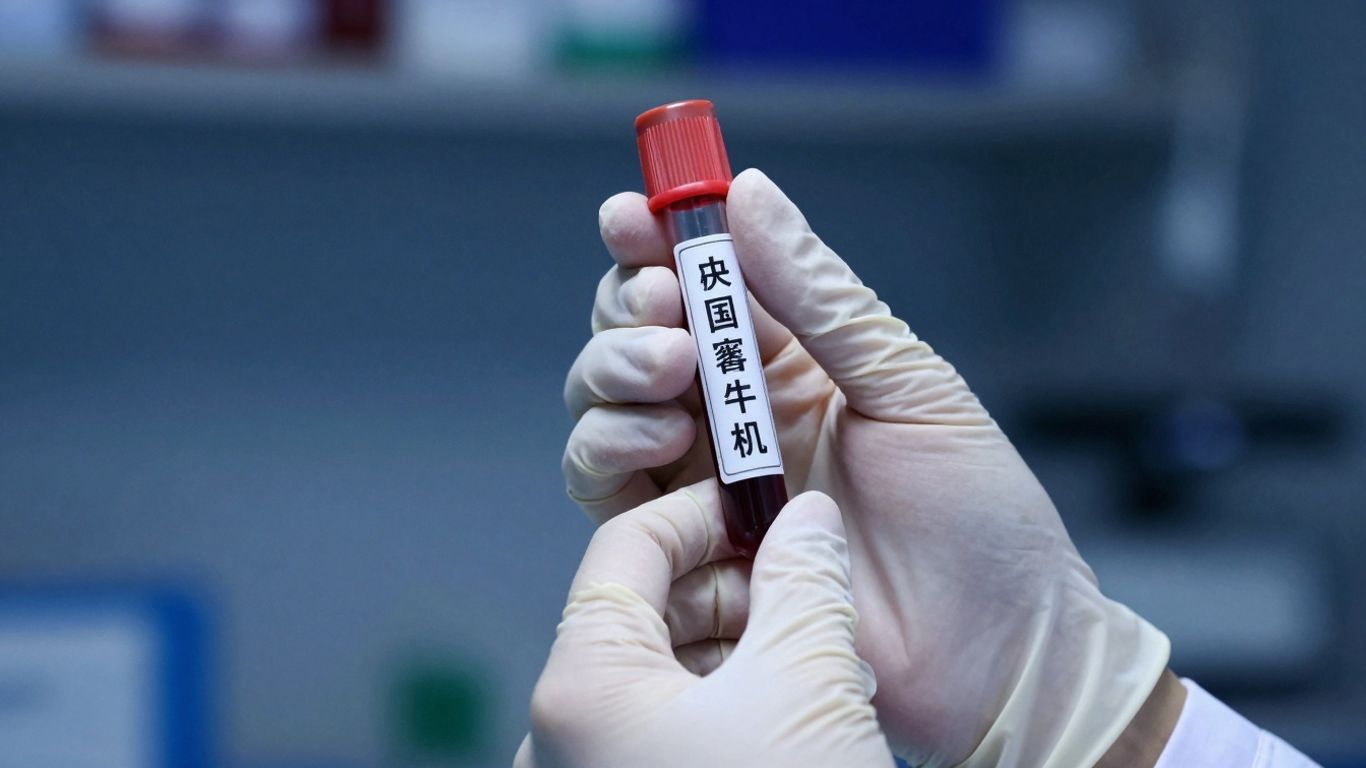
So, what actually happens when you consistently skip those blood tests your doctor suggests? It’s not just a minor inconvenience; there are some pretty significant ripple effects on your health journey. Ignoring these tests can lead to a cascade of problems that might not be immediately obvious.
Ineffective Treatment Strategies
When your doctor doesn’t have the full picture, it’s tough to get the treatment plan right. Blood tests give us vital clues about what’s going on inside your body – things like your organ function, hormone levels, or if there’s an infection brewing. Without that data, any treatment prescribed might be a shot in the dark.
Misguided Medication Dosing: If your doctor doesn’t know your kidney or liver function from a blood test, they might prescribe a medication at a dose that’s too high or too low, making it ineffective or even harmful.
Treating the Wrong Thing: Sometimes, symptoms can point to a few different issues. Blood work is often the key to pinpointing the exact cause, so without it, you could be treating something that isn’t actually the root problem.
Lack of Progress Monitoring: For ongoing conditions, blood tests are how we track if a treatment is working. If you skip them, you and your doctor won’t know if your condition is improving, staying the same, or getting worse.
Worsened Health Outcomes and Complications
This is where things can get serious. Avoiding blood work means potentially letting underlying issues fester and grow without anyone knowing. Early detection is often the name of the game in medicine, and blood tests are a primary tool for that.
Imagine not knowing your cholesterol levels are sky-high. You might feel fine day-to-day, but silently, plaque is building up in your arteries. Without the blood test flagging this, you’re at a much higher risk for a heart attack or stroke down the line – events that might have been preventable with earlier lifestyle changes or medication.
Similarly, if you have a condition like diabetes and aren’t monitoring your blood sugar levels through regular tests, you could be unknowingly damaging your nerves, kidneys, or eyes over time. These complications can be severe and significantly impact your quality of life.
Increased Healthcare Costs Over Time
It might seem counterintuitive, but skipping routine tests can actually cost you more in the long run. When minor issues are caught early through blood work, they’re usually easier and cheaper to manage. Think about treating the early stages of kidney disease versus dealing with full-blown kidney failure requiring dialysis.
Emergency Room Visits: Unmanaged conditions can lead to sudden, severe health crises that land you in the ER, which is incredibly expensive.
Complex Treatments: Treating advanced diseases often requires more intensive, specialized, and costly interventions compared to managing them in their nascent stages.
Extended Hospital Stays: Complications from untreated or poorly managed conditions can lead to longer hospital stays, adding significant financial burden.
Ultimately, while you have the right to refuse any medical procedure, including blood tests, it’s important to weigh that decision against the potential health consequences. The information gleaned from these tests is often critical for maintaining your health and preventing more serious problems later on.
Impact on Chronic Condition Management
When you’re dealing with a long-term health issue, like diabetes, high blood pressure, or a thyroid problem, regular check-ins are super important. And a big part of those check-ins often involves blood tests. These tests aren’t just for show; they give your doctor a clear picture of what’s going on inside your body and whether your current treatment plan is actually working.
Impaired Management of Chronic Conditions
If you consistently skip blood tests, it can really throw a wrench into managing any ongoing health conditions. Think about it: how can your doctor know if your blood sugar is under control if you don’t get those glucose levels checked? Or how can they tell if your thyroid medication is at the right dose without monitoring your hormone levels? Without this vital data, treatment adjustments become guesswork, potentially leading to less effective care. It’s like trying to drive with a blindfold on – you might be moving, but you don’t really know where you’re going or if you’re heading for trouble. This lack of information can make it tough to keep your condition stable and prevent flare-ups. It’s important to remember that you generally have the right to refuse treatment, but understanding the implications is key.
Risk of Progressive Disease States
Skipping these tests doesn’t just mean your condition might not be managed optimally; it can also mean the disease itself progresses unchecked. For example, if high blood pressure isn’t monitored through blood work and other checks, it can silently damage your heart and blood vessels over time. Similarly, unmonitored diabetes can lead to serious complications affecting your eyes, kidneys, and nerves. These aren’t minor inconveniences; they can significantly impact your quality of life and even become life-threatening. Regular blood work acts as an early warning system, catching changes before they become major problems. Ignoring these signals can allow a manageable condition to spiral into something much more severe.
The information gleaned from blood tests is often the bedrock upon which effective chronic disease management is built. Without it, even the best intentions can fall short, leaving patients vulnerable to worsening symptoms and preventable complications.
Mental Well-being and Health Uncertainty

How Ignoring Health Issues Affects Mental Well-being
It’s easy to think of blood tests as just a medical procedure, something purely physical. But honestly, avoiding them can really mess with your head. When you skip out on tests, you’re essentially choosing not to know what’s going on inside your body. This lack of information can create a constant hum of worry in the background of your life. Your body might be sending out little signals, subtle changes you notice, but without the tests to confirm or deny what they mean, you’re left guessing. And guessing about your health? That’s a recipe for stress.
Anxiety and Feelings of Helplessness
This uncertainty really breeds anxiety. You might find yourself constantly thinking about what could be wrong, imagining worst-case scenarios. It’s like having a dark cloud hanging over you, and you can’t quite shake it. This feeling of not being in control, of not knowing what’s happening with your own health, can lead to a profound sense of helplessness. It’s tough to feel proactive about your well-being when you’re deliberately avoiding the tools that could give you answers. The fear of the unknown can be far more draining than facing a potential problem head-on.
Here’s a quick look at how this uncertainty can play out:
Constant Worry: You might find yourself replaying minor symptoms in your mind, wondering if they’re serious.
Avoidance Behaviors: Beyond just avoiding the test, you might start avoiding thinking about your health altogether, which isn’t a healthy long-term strategy.
Impact on Daily Life: This mental load can spill over, affecting your concentration, sleep, and overall mood.
Choosing to get tested, even if the results aren’t what you hoped for, often brings a sense of relief. Knowing allows you to take action, and taking action, even small steps, can restore a feeling of control and reduce that gnawing anxiety. It’s about trading the fear of what might be for the reality of what is, and then figuring out how to move forward.
Your Right to Refuse and Informed Decisions
Look, nobody likes getting poked with a needle, and it’s totally your right to say no to a blood test if you’re not comfortable. That’s a given. But before you just flat-out refuse, it’s a good idea to chat with your doctor about why they’re suggesting it. They’re not just doing it to annoy you; usually, there’s a solid reason behind it.
Communicating Concerns With Your Doctor
If you’re worried about needles, the cost, or just don’t see the point, speak up! Your doctor can explain what they’re looking for and why it’s important for your health right now. Maybe it’s to check for something that doesn’t show symptoms yet, or to see if a treatment is actually working. Open communication is key to making sure you and your doctor are on the same page.
Exploring Alternative Diagnostic Methods
Sometimes, there might be other ways to get the information your doctor needs. Perhaps a different type of test, like a urine sample or a scan, could give them a clearer picture, or maybe they can monitor things differently. It’s worth asking if there are alternatives that might work for you, especially if you have strong objections to blood work.
The Importance of Understanding Test Purposes
Knowing what a test is for makes a big difference. Is it a routine check-up to catch potential problems early? Or is it to figure out why you’re feeling a certain way? Understanding the goal helps you weigh the pros and cons. For instance, a simple blood count might reveal anemia, which is usually easy to treat. But if you skip it, you might end up feeling tired all the time without knowing why.
Preventive Care: Catching issues like high cholesterol or diabetes before they become serious problems.
Diagnostic Clues: Helping pinpoint the cause of unexplained symptoms.
Treatment Monitoring: Ensuring medications are effective and safe for you.
Ultimately, while you hold the power to refuse, understanding the ‘why’ behind a recommended test empowers you to make the best choice for your own health journey. It’s about balancing your autonomy with the medical advice aimed at keeping you well.
So, What’s the Takeaway?
Look, nobody likes getting blood drawn, I get it. But when your doctor suggests it, there’s usually a good reason. Skipping these tests can mean missing out on catching problems early, which can make them way harder to deal with later. It’s not about blindly following orders, though. It’s about having a chat with your doctor, asking questions, and understanding why they think a test is important for your health. You’ve got the right to say no, but knowing the potential downsides helps you make a smarter choice for yourself. Staying informed and working with your doctor is really the best way to keep yourself healthy.
Frequently Asked Questions
Why does my doctor want me to get a blood test?
Doctors use blood tests to get a clear picture of what’s happening inside your body. They can help find out if you have an illness, check how well your organs are working, see if a treatment is helping, or even spot problems before you feel sick. It’s like getting a detailed report card for your health.
Can I refuse a blood test if I don’t want one?
Yes, you have the right to say no to any medical test, including blood tests. However, it’s really important to talk to your doctor about why you’re hesitant. They can explain the risks of not doing the test and might be able to suggest other ways to check your health.
What happens if I don’t get a blood test and I’m sick?
If you’re sick and skip a blood test, your doctor might not be able to figure out exactly what’s wrong. This can mean your illness isn’t treated as quickly or as effectively as it could be. Sometimes, serious health issues can get worse without you even knowing it.
Will refusing blood tests cost me more money in the long run?
It can. If a health problem isn’t caught early because you skipped a blood test, it might become more serious. Treating a more advanced illness usually costs more than treating it when it’s just starting. So, while the test itself has a cost, avoiding it could lead to bigger bills later.
How does not getting blood tests affect my mental health?
Not knowing what’s going on with your health can be stressful. If your body is sending signals that you’re ignoring by skipping tests, it can lead to worry and feeling like you don’t have control. Getting tests done can give you answers and peace of mind.
Are there other ways to check my health if I’m scared of needles?
Sometimes, yes! If you’re afraid of needles or have other concerns about blood tests, talk to your doctor. They might be able to suggest different types of tests, like urine tests or imaging scans, or find ways to make the blood draw less stressful for you. The goal is to find the best way to keep you healthy.